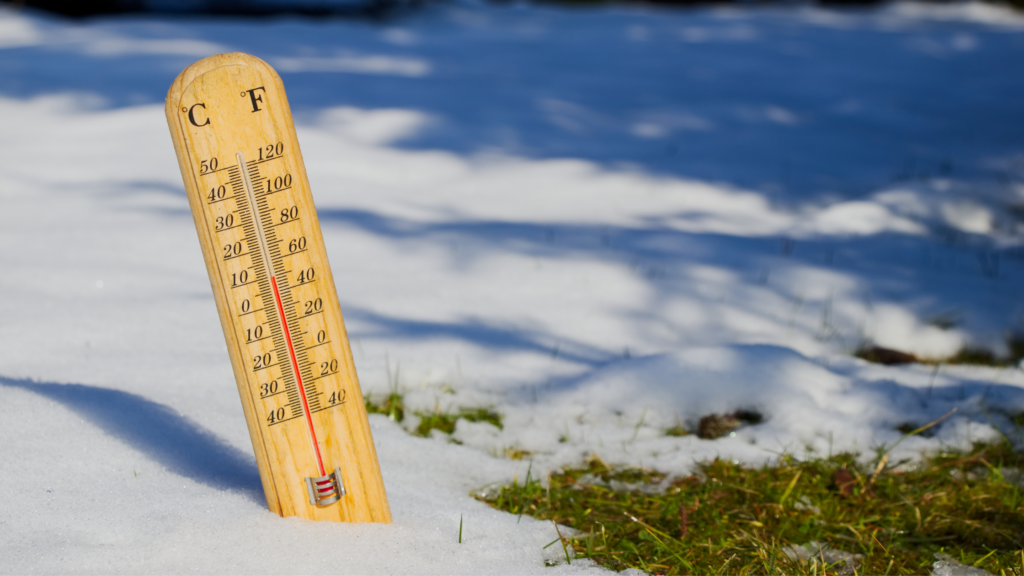

When winter strikes, ice melt becomes an essential tool for ensuring safety and accessibility. However, not all ice melts are created equal. This comprehensive guide explores various types of ice melt, their uses, and why choosing the right product, like Safe Paw, is crucial, especially in a comparison-based context.
Table of Contents
Understanding Ice Melt
Ice melt is a broad term used for various products designed to melt ice on sidewalks, driveways, and roads. The effectiveness and impact of an ice melter depend largely on its chloride composition and the environmental conditions it is used.
Get ready for winter with Safe Paw: The Pet-Friendly Ice Melter that cares – for your home, pets, and planet.
Common Types of Ice Melter
- Sodium Chloride-Based Ice Melters: Widely used, these include products like CryoMelt Treated Salt, IceAway Rock Salt Ice Melter, Pro Slicer Ice Melt, Ice Patrol Ice Melt, Diamond Crystal Winter Melt Ice Melt, and Midwest Salt Bulk Rock Salt. Sodium chloride is effective but has significant downsides, such as corrosion, environmental harm, and a lower melting point compared to other materials.
- Magnesium Chloride Ice Melters: Products like Safe Step and certain blends in Midwest Salt Bulk Rock Salt fall under this category. They are less corrosive than sodium chloride but can still pose risks to concrete surfaces and vegetation.
- Calcium Chloride Ice Melters: Green Gobbler Pet-Safe Ice Melt, containing calcium and magnesium chloride, is a notable example. These melt ice effectively at lower temperatures but can be harmful to pets and the environment.
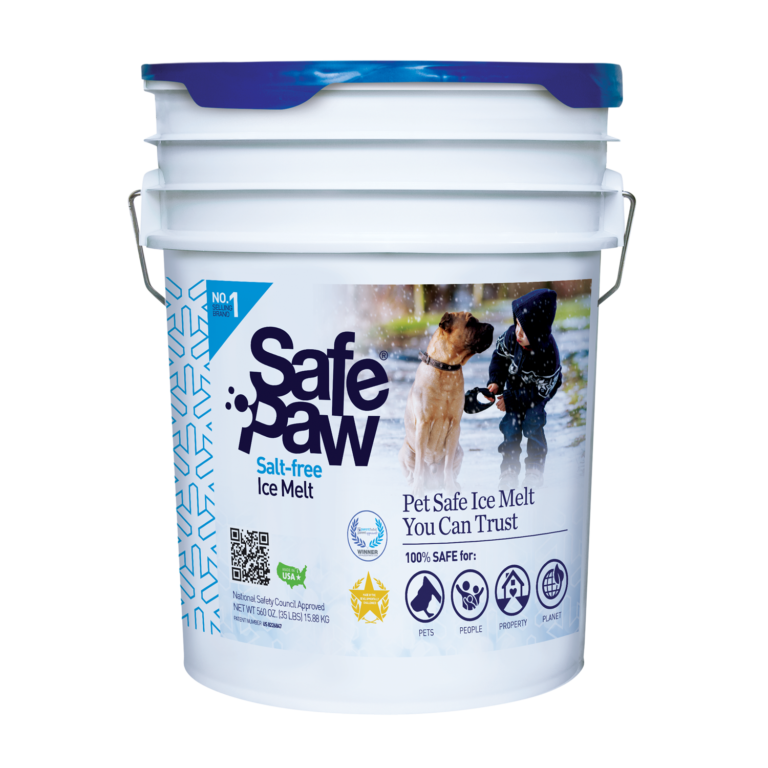
Safe Paw
It is a pet-friendly, eco-friendly ice melt that is safe for your family, pets, and property. It is made with a unique formula that is gentle on paws and concrete, and it melts ice and snow quickly and effectively.
Safe Paw is the perfect choice for winter weather!
The Downsides of Chloride-Based Ice Melts
Chloride-based ice melts, while popular, have several drawbacks:
- Corrosiveness: They can damage metal and concrete surfaces, leading to costly repairs.
- Environmental Impact: Chlorides can seep into the soil and waterways, causing ecological imbalances.
- Pet and Plant Safety: These products can be harmful to pets’ paws and detrimental to plant life.
Get ready for winter with Safe Paw: The Pet-Friendly Ice Melter that cares – for your home, pets, and planet.
Safe Paw: A Superior Alternative
Safe Paw stands out as a granular, chloride-free, and toxin-free ice melt. It’s specifically formulated to be safe for people and pets, making it an ideal choice for homes and commercial properties. Here’s why Safe Paw is a preferred choice:
- Non-toxic and Pet-safe: Safe Paw ensures the safety of pets and children, eliminating the risk of ingestion-related health issues.
- Environmentally Friendly: It poses no threat to plants and soil, making it a sustainable choice.
- Effective in Extreme Cold: Melting ice at temperatures as low as -2°F, Safe Paw is reliable even in harsh winter conditions.
- Non-Corrosive: Safe Paw protects metal and concrete surfaces, ensuring the longevity of infrastructure.
- Long Shelf Life and Excellent Spread Rate: Its granular form ensures a long shelf life and efficient usage, offering cost-effectiveness for larger areas.
Snow Salt vs Ice Melter vs Salt: Sorting the Language
You’ve read about “snow salt” and “ice melters” often being used almost interchangeably, but there’s a subtle difference worth knowing in practical terms. “Snow salt” usually refers to sodium chloride or rock salt forms used out in bulk; “ice melter” is a broader term that can include sodium, calcium, magnesium salts, or blends, sometimes with additives. When comparing ice melter vs salt, the key is recognizing whether the product is mostly traditional salt or something enhanced for colder temperatures.
Using plain snow salt (rock salt) gets expensive not just in dollars but in damage—concrete scaling, corrosion, runoff issues. Ice melters that are formulated with other chloride or non-chloride compounds can perform better in cold and reduce damage somewhat—but the trade-offs in cost and environmental impact still show up with heavier use.
Calcium Chloride vs Sodium Chloride for Melting Ice: Performance & Issues
You know that calcium chloride often outperforms sodium chloride in very cold conditions—but how big is that gap, and what are the consequences? Studies show that calcium chloride can melt ice at lower temperatures than sodium chloride, and it tends to work faster once snow has bonded to surfaces. However, to get that performance, more chemical energy is released (heat from dissolution), which speeds up melting—but also increases risk to adjacent surfaces and vegetation.
On the flip side, sodium chloride is cheap and widely available, but becomes less effective in extreme cold, and its negative effects (soil damage, runoff, corrosion) stack up over repeated winters. So when choosing between them, many homeowners find calcium chloride mixes or specialized ice melters offer a useful improvement over pure snow salt—but they also want to use less, apply smartly, and avoid overuse to limit environmental harm and infrastructure wear.
Electric Snow Melt System: A Bigger Picture of Winter Solutions
Because snow and ice buildup isn’t always best handled by spreading chemicals, electric snow melt system solutions become more attractive in certain settings. These systems embed heating elements beneath driveways or pathways so surfaces stay warm enough that ice struggles to form, cutting down chemical usage. For large paved areas or high-traffic walkways, they can significantly reduce reliance on snow salt or heavy ice melters, especially in persistently cold regions.
Though the installation and energy costs are greater up front, the long-term savings on repairs, cleanup, salt purchases, and potential damage (like concrete scaling or corrosion of metal edges) often make them worthwhile. Plus, with such a system in place, you sometimes can use gentler ice-melter certificates or sprays (or even powder) for smaller problem spots rather than blanket heavy salt usage.
Get ready for winter with Safe Paw: The Pet-Friendly Ice Melter that cares – for your home, pets, and planet.
Practical Tips When Using Different Types of Ice Melter
To make sure whichever type you use—snow salt, calcium chloride mixes, or general ice melter products—you get the maximum benefit and minimum harm, try these additions to your routine:
- Apply the product only after snow clearing. If snow is left to pack and freeze, even the strongest ice melter won’t penetrate well.
- Use anti-icing (pre-treatment) before forecasts of freezing rain or heavy snow to reduce how much product you later need.
- Opt for “lower chloride” or buffered formulations where available, especially near gardens, plantings, or any sensitive surfaces.
- Wash off residual salt or brine from surfaces and non-paved edging to reduce buildup. Where possible, sweep after melting to remove granules before rain or light thaw moves them into soil or waterways.
Conclusion
You’ve now got a sharper view of different types of ice melt—from traditional snow salt to enhanced ice melters using calcium or magnesium, and even electric snow melt systems. Each has its place depending on temperature, surface, environmental exposure, and budget. But the key takeaway is this: better performance often comes at hidden costs. Corrosion, runoff damage, concrete wear, pet safety—all of these are part of the real equation.
By understanding calcium chloride vs sodium chloride for melting ice, choosing wisely between snow salt and ice melters, and considering whether an electric snow melt system might reduce chemical use around your home, you can protect both your surfaces and your surroundings. Instead of relying on harsh snow salts or chloride blends, Safe Paw offers a salt-free, non-toxic alternative that keeps surfaces clear without corrosion or runoff damage. It’s safe for pets, kids, and concrete, giving you peace of mind while still delivering reliable ice-melting power. For homeowners looking to cut back on chemical use this winter, Safe Paw is the smarter long-term choice.
Try Our Other Winter Safety Products
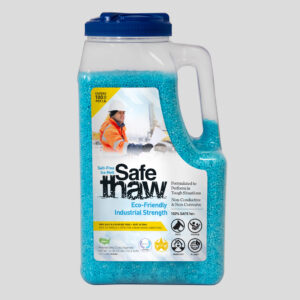
Safe Thaw
Safe Thaw was created as the ice management solution for tough winter environments. Ideal in commercial and industrial properties, shops, government agencies, bridges, construction. It’s 100% Salt-Free and Chloride-Free.
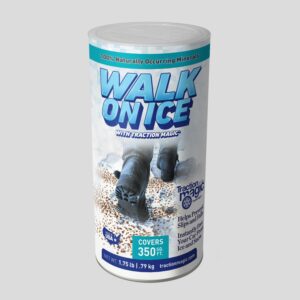
Walk On Ice
The slip and fall prevention solution, for any icy or snowy surface, on a handy portable package! Lightly spread around your walkway, driveway, vehicle, tires, and pathways. Turn ANY icy surface instantly, into a non-skid, slip-free surface.