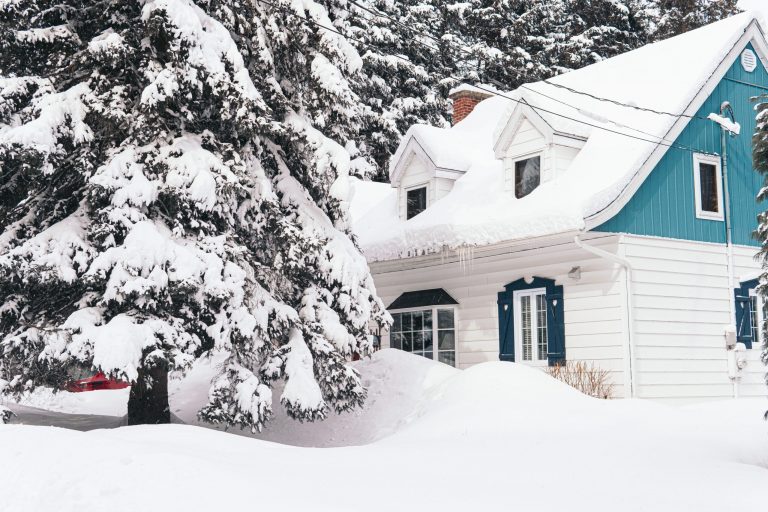
Winter brings picturesque scenes of snow-covered rooftops, but it also introduces a serious issue: ice dams. These frozen ridges along roof edges can cause water to back up under shingles, leading to leaks, structural damage, and costly repairs. While roof ice melt products are a popular solution, not all are created equal. Some can cause more harm than good. Here’s how to effectively tackle ice removal while safeguarding your shingles and home.
Table of Contents
Understanding the Risks of Traditional Ice Melt Products on Roofing Materials
Conventional ice melt products like rock salt (sodium chloride) and calcium chloride are often used for ice removal, but they come with significant drawbacks when applied to roofs.
- Granule Loss: Shingles are coated with granules that protect them from UV rays and wear. Salt-based ice melt can degrade these granules, reducing your roof’s lifespan.
- Shingle Cracking: The chemical reactions caused by traditional salts can lead to cracking and brittleness in shingles, especially in extreme cold.
- Corrosion: Metal flashing, gutters, and downspouts are vulnerable to corrosion when exposed to salts, leading to long-term damage.
These risks highlight the need for shingle-safe alternatives that effectively melt ice without compromising your roof’s integrity.
Safe and Effective Ice Melt Alternatives for Roofs
If you’re looking for a safer option for roof ice melt, consider products specifically designed to protect shingles and other roofing materials. Safe Paw stands out as an eco-friendly and effective solution.
- Salt-Free Formula: Unlike traditional salts, Safe Paw is 100% chloride-free, making it non-corrosive and safe for shingles, gutters, and downspouts.
- Eco-Friendly: Safe Paw’s biodegradable formula ensures it won’t harm nearby plants, soil, or water systems.
- Pet and Child Safe: With no toxic chemicals, Safe Paw is a safe choice for households with children and pets.
- Effective at Low Temperatures: Designed for harsh winters, Safe Paw works efficiently even in extreme cold conditions.
By opting for a product like Safe Paw, you can eliminate ice buildup without the risks associated with traditional ice melts.
Preventative Measures to Reduce Ice Accumulation on Roofs
While roof ice melt products are useful, prevention is always the best strategy. Here are a few steps to reduce the likelihood of ice dams:
- Improve Attic Insulation: Proper insulation keeps warm air from escaping into the attic, reducing snow melt and the subsequent refreezing that forms ice dams.
- Ensure Proper Ventilation: Adequate ventilation in the attic helps maintain a consistent temperature across the roof, minimizing ice formation.
- Install Ice and Water Shields: These protective barriers prevent water from seeping under shingles, offering an additional layer of protection against ice dams.
https://www.youtube.com/watch?v=homY3Pi2lCo
Proper Application Techniques for Roof Ice Melt Products
To use roof ice melt effectively and safely:
- Follow Instructions: Always adhere to the manufacturer’s guidelines for application.
- Avoid Overuse: Excess product can lead to runoff, damaging other areas of your home or landscaping.
- Use Applicators: Specialized roof applicators or tools can help distribute the product evenly, ensuring better results without concentrated damage.
Looking at Magnesium Chloride Ice Melt for Roof and Driveway Safety
Since we’ve already seen how sodium chloride and calcium chloride can damage shingles, it’s worth asking: is magnesium chloride ice melt really safer? It does perform better in colder temperatures and starts melting faster than rock salt, but the side effects can’t be overlooked. Magnesium chloride attracts moisture, which means more water seeps into porous surfaces like concrete and refreezes, causing cracks. On roofs, it may reduce the immediate ice buildup but still risks corroding metal flashing and gutters over time. And for pets, even though it’s marketed as gentler, paw irritation and mild stomach upset are still common if they lick it off their fur or paws.
Salt for Driveway vs. Pet Friendly Salt for Winter: Choosing Wisely
The question isn’t just about roofs—driveways and walkways take a beating in winter too. Many people still lean on salt for driveway use, mainly because it’s cheap and familiar. But sodium chloride and calcium chloride both corrode concrete over time, and their runoff harms nearby soil and plants. Even “blended” products marketed as safer often contain enough chloride to create long-term problems.
This is where pet friendly salt for winter becomes a smarter investment. These formulations are specifically designed without harsh chlorides, so they don’t burn paws, poison pets, or scar concrete. They also perform well in low temperatures, giving the same safety benefits without the collateral damage. For families balancing budget, convenience, and pet health, chloride-free alternatives like Safe Paw bridge the gap between effectiveness and true safety.
Snowmelt System vs. Ice Melt Products: Where’s the Balance?
Some homeowners have turned to a snowmelt system as an alternative to traditional ice-melt products. These systems use either electric heating cables or hydronic tubing under driveways, walkways, or roof edges. The promise is appealing—turn on the system, and the snow never accumulates. No spreading, no scraping, no residue.
But the trade-offs are big:
- High upfront cost: Installation can run between $10,000 and $25,000 depending on the system and property size.
- Ongoing expenses: Electric systems can spike utility bills, while hydronic systems require boiler maintenance.
- Environmental footprint: The energy demand, especially if powered by electricity from non-renewable sources, adds to your household carbon output.
For many households, a snowmelt system feels like using a sledgehammer for a finishing nail—effective, but not always practical. Combining preventative roof care, improved insulation, and a shingle-safe product like Safe Paw often offers the same peace of mind at a fraction of the cost.
Understanding Why Some Salts Work Differently
You might be wondering: if all salts melt ice, what’s the real difference between them? It comes down to chemistry. Sodium chloride works until about -9°C (15°F), then loses effectiveness. Calcium chloride performs better in extreme cold but generates heat that can stress concrete and shingles. Magnesium chloride ice melt sits in between but draws in moisture that increases the freeze–thaw cycle.
For driveways, shingles, and walkways, it’s less about “which salt is best” and more about whether salt should be used at all. Every chloride-based deicer has a downside—corrosion, plant damage, pet health risks, or long-term wear on your property. This is why more homeowners are shifting to chloride-free options, prioritizing safety without trading off performance.
Wrapping It Up: A Roof-to-Driveway Strategy That Works
Protecting your roof, driveway, and walkways isn’t about picking one miracle solution—it’s about making smarter choices across the board. Traditional salts like sodium chloride and calcium chloride deliver quick results but create lasting damage. Even options like magnesium chloride ice melt, while somewhat gentler, still carry risks for concrete, shingles, and pets.
By choosing a pet friendly salt for winter like Safe Paw, you protect your entire property while keeping paws, soil, and waterways safe. Pair that with good snow removal habits and preventative roof care, and you’ve got a strategy that works without breaking the bank or harming your home. And if you’ve ever thought about a snowmelt system, weigh the convenience against the costs—you may find that safe, eco-friendly products give you nearly the same peace of mind without the hefty investment.
Conclusion
Addressing ice buildup on your roof doesn’t have to mean sacrificing your shingles or the environment. While traditional de-icing salts may seem convenient, their long-term impact on roofing materials and surrounding areas makes them a poor choice. Safe and effective alternatives like Safe Paw provide the perfect balance of performance and protection, keeping your home safe and your roof intact. Pairing these solutions with preventative measures ensures a winter-ready roof without the worry of damage.