
Winter in Canada can be unforgiving, with heavy snowfall and icy conditions making snow and ice removal a significant challenge. A snow melt system offers a modern solution for keeping your driveway and walkways clear, but it’s essential to weigh the advantages and disadvantages before deciding. Let’s take a closer look at whether a snow melting system is the right choice for you and explore alternatives like Safe Paw, a salt-free and eco-friendly option.
Table of Contents
What is a Snow Melt System?
A snow melt system is an automated heating system designed to melt snow and ice on outdoor surfaces. These systems are generally categorized into two types:
- Electric Systems: Use electric heating cables embedded in the driveway to melt snow.
- Hydronic Systems: Circulate hot water through tubes beneath the surface to generate heat.
While these systems can make winter maintenance easier, they come with both benefits and drawbacks.
Pros of Installing a Snow Melt System
- Convenience: A snow melt system automatically melts snow and ice, eliminating the need for manual shoveling or spreading de-icers. This convenience is especially valuable during heavy snowfall.
- Enhanced Safety: By preventing ice accumulation, a snow melting system reduces the risk of slips and falls, keeping your family and visitors safe.
- Long-Term Property Preservation: Snow melt systems prevent the freeze-thaw cycle, which can crack and damage driveways. Over time, this could save you from costly repairs.
- Aesthetic Appeal: Heated driveways maintain a clean, snow-free surface, avoiding unsightly piles of snow and salt stains.
- Compatibility with Renewable Energy: Hydronic systems can be powered by geothermal or solar energy, making them a more sustainable option for eco-conscious homeowners.
Cons of Installing a Snow Melt System
- High Upfront Costs: The initial installation cost of a snow melting system can range from $10,000 to $25,000 CAD, depending on the size and type of system. This high price tag can be a barrier for many homeowners.
- Increased Energy Bills: Electric snow melt systems consume a significant amount of energy, leading to higher utility costs during winter.
- Maintenance Requirements: Hydronic systems require regular boiler maintenance, and electric systems may involve costly repairs if heating elements fail.
- Installation Complexity: Retrofitting an existing driveway with a snow melt system can be challenging and disruptive, adding to the expense.
The Downsides of Using Ice Melting Salt
Many Canadian homeowners rely on ice melting salt for snow and ice control, but it comes with serious drawbacks:
- Property Damage: Salt corrodes concrete, asphalt, and metal, leading to cracks and costly repairs.
- Environmental Harm: Salt runoff contaminates soil and water, harming plants and aquatic ecosystems.
- Health Risks: Salt irritates pets’ paws and is toxic if ingested.
Why Safe Paw is the Best Alternative
For a safe, effective, and eco-friendly option, Safe Paw snow melting system offers significant advantages over traditional salt-based deicers and costly snow melt systems.
Benefits of Safe Paw
- Pet and Child Safe: Completely salt-free and non-toxic, ensuring no harm to pets or children.
- Non-Corrosive: Protects concrete, asphalt, and decking, preserving your property.
- Effective in Extreme Cold: Works at temperatures as low as -2°F (-19°C), perfect for harsh Canadian winters.
- Environmentally Friendly: Biodegradable and safe for plants and waterways.
- Cost-Effective: With an excellent spread rate and long shelf life, Safe Paw is an economical choice.
Why Does Ice Melt Faster With Salt—And Why That Matters for Driveways
You’ve read about snow melt systems and salt, but ever wondered why does ice melt faster with salt? The science is simple: salt lowers the freezing point of water, breaking the bond between ice and concrete. But understanding why does ice melt faster with salt is also a reminder of why it isn’t always the best choice. Every time salt dissolves, it creates brine that seeps into the pores of concrete. When temperatures dip again, that brine refreezes, expands, and puts pressure on the surface. The result? Small cracks, spalling, and long-term deterioration.
The appeal of fast melting often hides these delayed consequences. Homeowners looking for convenience may not notice the damage until spring, when patches of weakened concrete start to show. This cycle explains why relying heavily on salt is a short-term solution with long-term costs.
Salt on Concrete Driveway: The Unseen Consequences
Using salt on concrete driveway surfaces is one of the most common practices in Canadian winters. It’s inexpensive, easy to spread, and provides quick traction. But the drawbacks are equally clear once you know what’s happening beneath the surface. Salt accelerates the freeze-thaw cycle, drawing more moisture into concrete pores. Over several winters, the repeated expansion weakens the structure from within.
Freshly poured driveways are particularly vulnerable. Concrete that is less than a year old is still curing, making it more porous and prone to absorbing moisture. Adding salt during this stage can speed up damage and shorten the driveway’s lifespan significantly. Even older, sealed driveways show signs of wear when exposed to frequent salting—discoloration, flaking, and uneven pitting. What looks like simple snow control today can quickly turn into costly repair work tomorrow.
Snow Freezing Point and Its Role in Ice Control
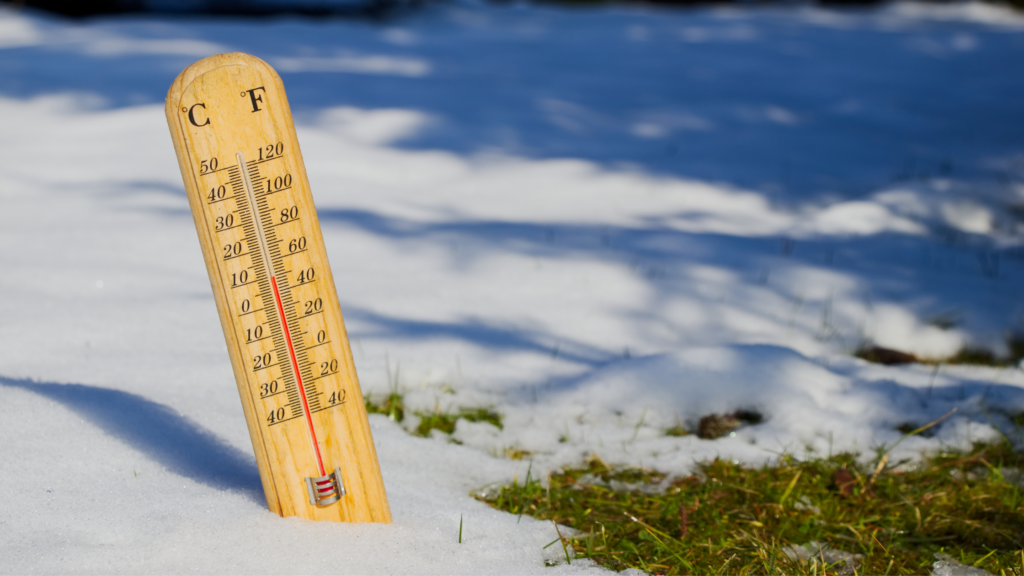
Salt isn’t the only factor in play. The snow freezing point itself dictates how effective any de-icing method will be. While pure water freezes at 0°C (32°F), adding salts like sodium chloride or calcium chloride lowers that point. Sodium chloride becomes unreliable around −9°C (15°F), while calcium chloride can work in temperatures as low as −25°C (−13°F). Magnesium chloride falls in between.
This ability to push the freezing point lower is why these chemicals seem effective. Yet the same property is what creates problems for the environment and driveways. As the brine runs off, it infiltrates soil and waterways, raising salinity levels that stress plants and aquatic ecosystems. On driveways, that same process accelerates the absorption of chlorides into the concrete, leading to reinforcement corrosion and surface breakdown. So while knowing the freezing point explains why ice melts faster, it also highlights why frequent chemical use isn’t sustainable.
https://www.youtube.com/watch?v=homY3Pi2lCo
Pet-Labeled Melts and Their Ingredients
Some products are marketed as “pet friendly,” but it’s worth looking at the ingredients themselves rather than relying on the label. For example, formulas containing magnesium chloride or calcium chloride are sometimes described as gentler than rock salt. They may indeed reduce irritation compared to harsher salts, but they can still cause dryness, minor burns on sensitive paw pads, and gastrointestinal upset if ingested.
Even blends designed for easier spreading or lower application rates often leave behind chloride residues. Over time, these residues can still seep into soil, disrupt plant health, or contribute to concrete scaling. So while “pet friendly” labels suggest reassurance, the real question is whether the ingredients themselves eliminate risks—or simply reduce them without removing them entirely.
Moving Toward Smarter Ice Management
The conversation about winter safety is shifting. More homeowners are weighing the upfront convenience of salt against the hidden costs it creates. Between driveway repairs, higher maintenance needs, and environmental clean-up, the price of traditional de-icers is more than the bag on the shelf. That’s why salt-free and eco-engineered solutions are gaining traction: they avoid chloride buildup, protect concrete, and keep pets safe without compromising on performance.
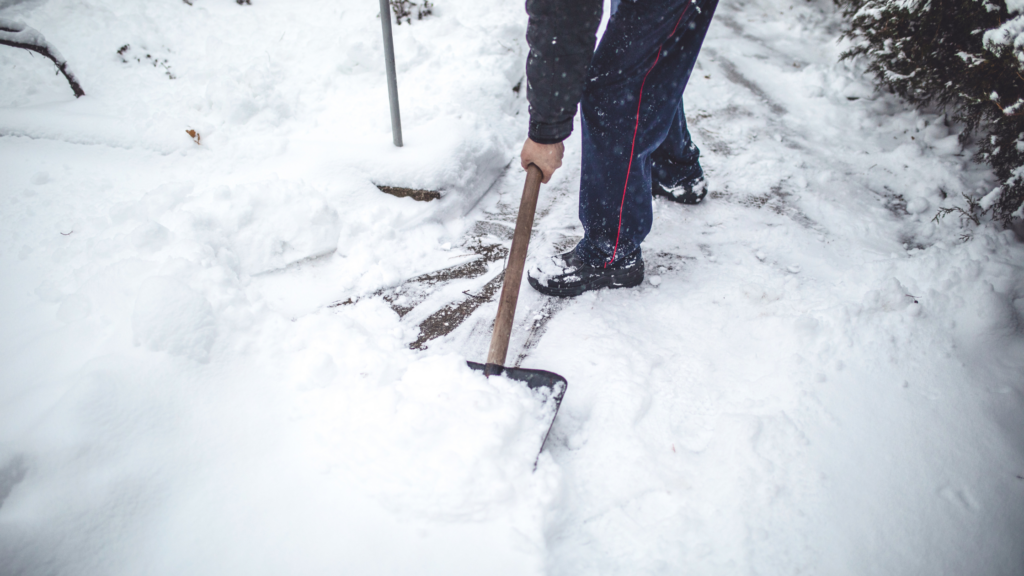
Pairing these alternatives with preventive strategies—like shoveling promptly, sealing driveways before winter, or even installing heated mats in problem spots—creates a layered approach. It reduces the need for heavy salt use, preserves concrete, and minimizes impact on nearby plants and waterways. In the long run, the best winter strategy isn’t about using more salt, but about using smarter solutions.
Conclusion
Snow melt systems may offer luxury and convenience, while salt promises speed and affordability. But the real question is whether these methods support the long-term health of your driveway, your pets, and your environment. Salt works fast because it lowers the freezing point, yet that same property leads to scaling, cracks, and environmental runoff. Even so-called safer blends still rely on chlorides that pose risks when used season after season.
Choosing alternatives that avoid chloride altogether—and pairing them with preventative measures like Safe Paw ice melt pet safe—ensures safety without the hidden trade-offs. A clear driveway in winter shouldn’t come at the cost of weakened concrete or stressed ecosystems. With the right approach, you can keep your property safe, your pets comfortable, and your surfaces strong for years to come.