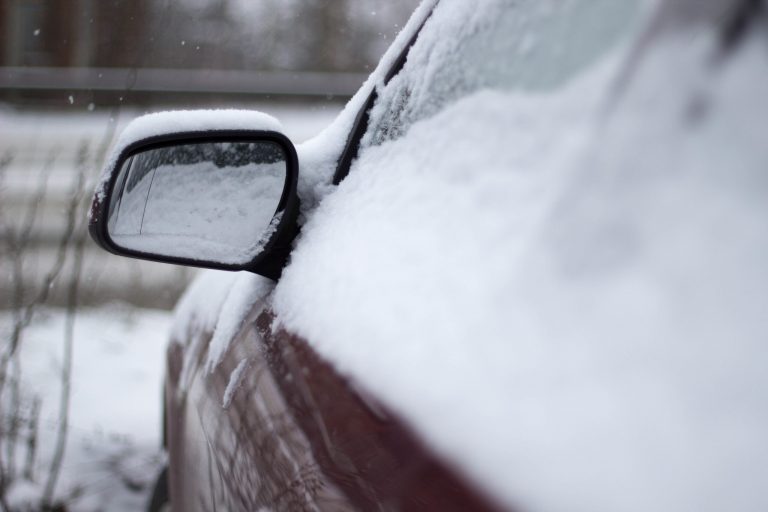
Canadian winters often greet us with frosty windshields, creating frustrating and potentially unsafe driving conditions. Whether you’re battling thick layers of ice or a frosty haze, choosing the right windshield de icer can make all the difference. From tried-and-true methods to innovative solutions like liquid ice melt, here’s what works, what doesn’t, and how to stay safe.
Table of Contents
Common Methods for De-Icing Windshields
- Manual Scraping: A good ice scraper is a staple in most Canadian vehicles. While it’s effective, scraping can be time-consuming and physically demanding. If done improperly, it can scratch the windshield.
- Defroster Use: Turning on your car’s defroster helps melt ice and frost gradually. Although this method works well, it requires patience, especially during extremely cold mornings.
- Homemade Remedies: Mixtures like vinegar and water or rubbing alcohol can work as a makeshift windshield de-icer, but they aren’t always effective in extreme temperatures. Additionally, these solutions may damage your vehicle’s paint or glass if misapplied.
- Commercial De-Icers: Pre-made windshield de icer sprays are designed to quickly melt frost and ice, saving time. However, not all commercial products are created equal—some can leave residue or contain harmful chemicals.
The Role of Liquid Ice Melt Solutions
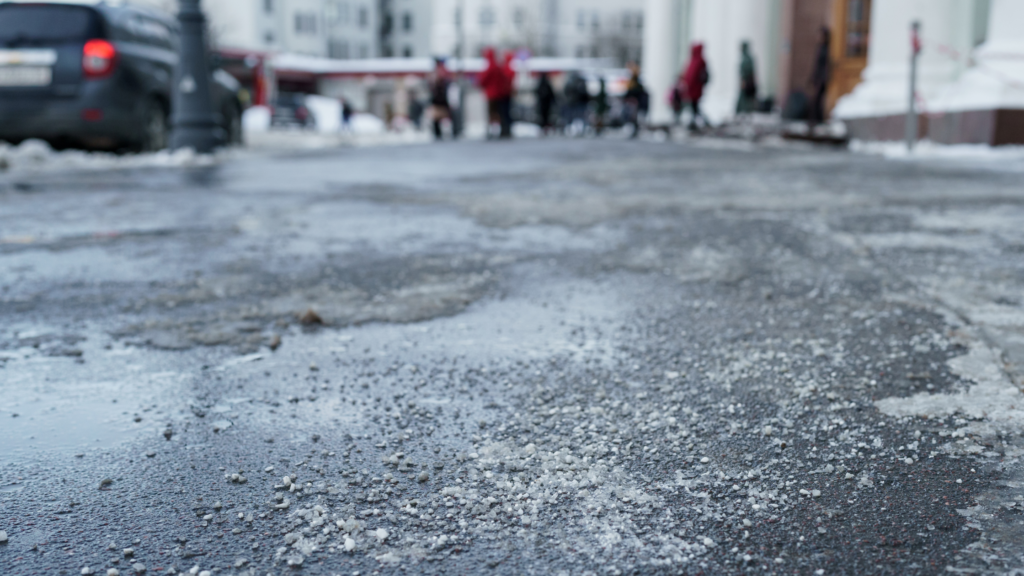
Liquid ice melt solutions, typically used for driveways and walkways, are not ideal for windshields. Many liquid ice melt products contain salts or chemicals that can corrode your car’s paint, wipers, and rubber seals. While effective for melting ice on concrete, these products are not recommended for use on glass surfaces due to their potential to leave streaks and impair visibility.
Why Traditional Salts Are Not Suitable for Windshields
Many liquid ice melt solutions and general de-icing products rely on salts like calcium chloride or magnesium chloride. While these chemicals are effective at breaking down ice, they are not safe for automotive glass or paint. Runoff from traditional salts can also harm the environment by contaminating soil and waterways.
Safe and Effective De-Icing Practices
- Start with the Defroster: Run your vehicle’s defroster for a few minutes to loosen the ice, making it easier to remove.
- Use a Quality Ice Scraper: Invest in a durable scraper with a wide blade to handle thick layers of ice efficiently.
- Choose the Right Windshield De-Icer: Look for commercial windshield de-icer products that are specifically designed for automotive use. Ensure they are non-corrosive and safe for your vehicle’s surfaces.
Why Safe Paw is a Superior Ice Melt
-
While Safe Paw is not designed specifically as a windshield de icer, it excels as a salt-free liquid ice melt for surfaces like driveways and sidewalks. Here’s why it stands out:
- Salt-Free and Non-Toxic: Unlike many liquid ice melt products, Safe Paw is free of harmful chemicals, making it safe for pets, people, and the environment.
- Effective in Extreme Cold: It works at temperatures as low as -2°F (-19°C), perfect for Canada’s harsh winters.
- Non-Corrosive: Safe Paw won’t damage concrete, decking, or asphalt, making it a versatile and reliable solution for outdoor areas.
- Environmentally Friendly: Its biodegradable formula ensures no harm to soil or water, aligning with eco-conscious practices.
- Long Shelf Life and Excellent Spread Rate: Safe Paw offers excellent coverage, requiring less product for effective results.
https://www.youtube.com/watch?v=homY3Pi2lCo
Choosing the Right De-Icer for Your Vehicle
While Safe Paw is ideal for general outdoor ice management, always use a specialized windshield de-icer for your car. Look for products free from salts or harsh chemicals to ensure your windshield, wipers, and seals remain intact.
Looking Beyond Windshields: Electric Snow Melting System for Bigger Jobs
While a spray bottle or scraper might be all you need for your windshield, larger areas around your home sometimes call for something more powerful. That’s where an electric snow melting system comes in. These setups are built directly into driveways or walkways, using heating cables to keep surfaces clear automatically. Think of it as the heavy-duty cousin of a windshield de-icer. It’s not about portability or quick sprays—it’s about keeping entire surfaces ice-free without lifting a shovel. Of course, the trade-off is cost and energy use, but for those who deal with constant heavy snow, it’s a long-term convenience worth considering.
The appeal here is consistency. Instead of waiting for ice to build up and then scrambling with salt or shovels, an electric snow melting system quietly does the work in the background. When snow begins to fall, the cables heat the surface just enough to prevent bonding, so ice never really takes hold. No scraping, no refreezing puddles, no salt stains. It’s a level of peace of mind that’s especially valuable in regions with frequent freeze-thaw cycles where sidewalks and driveways can become skating rinks overnight.
That said, the reality is these systems aren’t a one-size-fits-all fix. Installation can be disruptive, especially for existing driveways, and running costs vary depending on how severe your winters are. Many homeowners find that the smartest approach is blending solutions—using mechanical or electric snow melting systems for large surfaces, while keeping a pet-safe, salt-free product like Safe Paw handy for stairs, porches, or those tricky corners where heating cables don’t reach. It’s about building a toolbox of solutions so you’re never caught off guard, no matter how the season decides to test you.
Why Sodium Chloride Ice Melt Doesn’t Belong on Glass
If you’ve ever wondered whether sodium chloride ice melt could double as a quick fix for frozen glass, the short answer is no. Sodium chloride is excellent at lowering the snow freezing point on roads and driveways, but when applied to windshields, it can leave streaks, etch marks, and even interfere with visibility. Beyond the cosmetic issues, chloride residues can accelerate corrosion around wiper blades and metal trim. For vehicles, that’s simply not worth the risk—windshield de-icers need to be designed for clear, safe application.
Choosing the Best Windshield Deicer
The best windshield deicer is the one that clears frost quickly without leaving residue, damaging paint, or putting pets and people at risk. Spray-based de-icers formulated for automotive glass are a reliable choice because they work fast and don’t compromise visibility. They’re especially handy on mornings when you’re running late and don’t have time for scraping. For extra safety, pairing a commercial windshield deicer with your car’s built-in defroster can cut down the time it takes to clear your view, giving you both speed and efficiency.
From Cars to Driveways: Snow Melting Machine Options
Not all icy problems fit neatly into the windshield category. If you’re dealing with large amounts of buildup, a snow melting machine can step in where sprays and scrapers leave off. These portable devices melt and clear snow without the strain of heavy shoveling. Unlike salt-based products that rely on chemical reactions, these machines use direct heat, making them useful for big patches of snow on driveways or walkways. They’re not something everyone needs, but for households facing repeated storms, they can be a game-changer in reducing the workload.
Wrapping It Up: Clear Windshields and Safe Surfaces
Keeping your windshield safe and streak-free comes down to choosing the right de-icer for the job. Skip the salts and heavy chemical mixes—what works on a driveway won’t always work on glass. Instead, stick with products designed specifically for windshields and complement them with smart tools like scrapers, defrosters, or even larger-scale solutions like snow melting machines and electric snow melting systems for the rest of your property. That way, you’re covered from your car to your front steps, without compromising safety, clarity, or the environment.
For areas beyond your car—like driveways, sidewalks, and entryways—salt-free, eco-friendly choices such as Safe Paw ensure you get reliable ice control without the corrosive side effects of traditional salts. That way, you’re covered from your car to your front steps, without compromising safety, clarity, or the environment.