Winter brings icy driveways and walkways, and for many Canadians, a trip to Walmart or Home Depot to grab some ice melt seems like a quick fix. Budget options like ice melt Walmart sells or Home Depot salt might appear cost-effective, but are they really worth it? While these products may save you money upfront, their long-term impact on your property, health, and the environment is worth a closer look. Here’s everything you need to know about choosing the right ice melt this winter.
Table of Contents
The Appeal of Budget Ice Melts
Budget ice melts, often found at Walmart or Home Depot, are attractive for their low prices and wide availability. These products typically consist of rock salt (sodium chloride) or a mix of salts, such as calcium chloride or magnesium chloride. They are marketed as quick, affordable solutions to melt ice and snow, and for many homeowners, the price tag seals the deal.
Pros of Budget Ice Melts
- Affordable: Products like ice melt Walmart stocks are significantly cheaper than premium alternatives.
- Widely Available: You can easily find them at major retailers like Walmart and Home Depot.
- Quick Action: They work quickly to melt ice in moderate winter conditions.
The Hidden Costs of Budget Ice Melts
While these ice melts might seem like a bargain, they come with hidden downsides that can lead to significant costs down the road.
- Damage to Concrete and Asphalt: Salt-based ice melts are corrosive, causing cracks, scaling, and potholes in your driveway and sidewalks. Over time, this can lead to expensive repairs.
- Harm to Pets and Plants: Rock salt irritates pets’ paws and can be toxic if ingested. It also damages vegetation, leading to withered plants and brown lawns.
- Environmental Impact: Runoff from salt-based products contaminates soil and water, harming aquatic ecosystems and polluting freshwater supplies.
- Limited Effectiveness in Extreme Cold: Many budget ice melts lose their effectiveness below -9°C (15°F), which isn’t ideal for Canada’s frigid winters.
Get ready for winter with Safe Paw: The Pet-Friendly Ice Melter that cares – for your home, pets, and planet.
Why Salt-Free Alternatives Like Safe Paw Are Better
Premium salt-free solutions, such as Safe Paw, address the shortcomings of budget ice melts. While they might cost more upfront, they save you money and stress in the long run by protecting your property and the environment.
The Benefits of Safe Paw
- Non-Corrosive: Safe Paw’s unique formula protects concrete, asphalt, and decking from the damage caused by traditional salts.
- Pet and Child Safe: Unlike products from Walmart or Home Depot that rely on salt, Safe Paw is 100% salt-free and non-toxic. It won’t irritate paws or harm pets if ingested.
- Effective in Extreme Cold: Safe Paw works at temperatures as low as -19°C (-2°F), making it perfect for Canadian winters.
- Environmentally Friendly: Its biodegradable formula ensures no harm to soil or water, helping you maintain a greener footprint.
- Excellent Spread Rate: Safe Paw provides better coverage with less product, saving money over time.
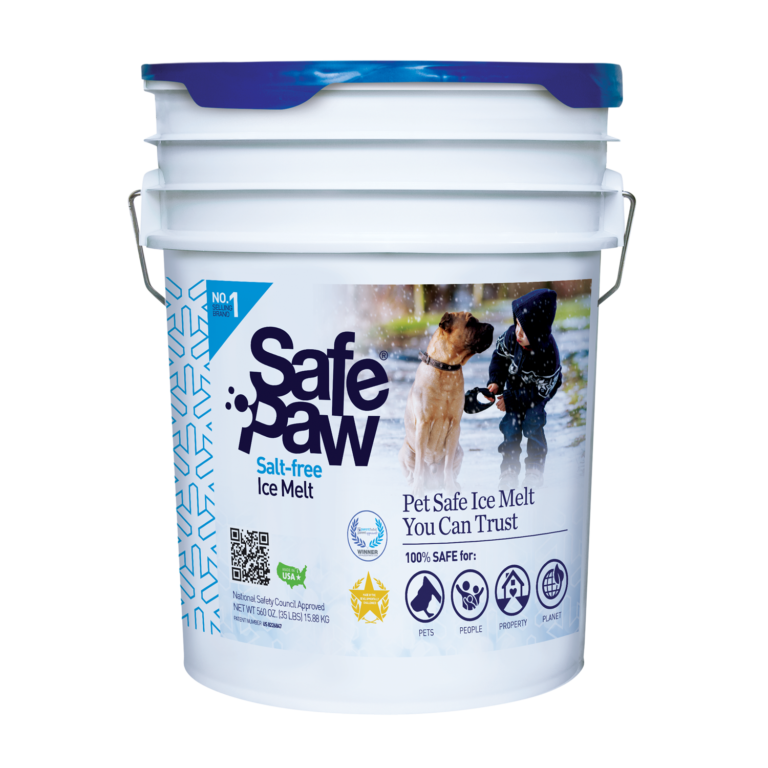
Safe Paw
It is a pet-friendly, eco-friendly ice melt that is safe for your family, pets, and property. It is made with a unique formula that is gentle on paws and concrete, and it melts ice and snow quickly and effectively.
Safe Paw is the perfect choice for winter weather!
Making the Right Choice for Winter
When considering ice melt Walmart options or Home Depot salt, think beyond the price tag. While these budget products might work in the short term, their long-term costs in property damage, environmental harm, and health risks make them less appealing.
Investing in a premium product like Safe Paw ensures that you’re not only protecting your driveway but also your family, pets, and the environment. The higher initial cost is outweighed by the long-term savings and peace of mind it provides.
Magnesium Chloride Cost: The Price You Don’t See on the Bag
It’s easy to look at a price tag and think you’re saving money, but have you ever considered the hidden magnesium chloride cost? A 50-lb bag might sell for $20–25, which feels like a reasonable spend for a Canadian winter. The problem is that this cost doesn’t account for what happens after you’ve spread it.
Magnesium chloride is less harsh than rock salt but still corrosive. Over time, it eats away at concrete surfaces, accelerates rust on vehicles, and harms soil health. Each of those issues carries its own repair or replacement bill—expenses that creep up long after the winter season is over. Add in the fact that magnesium chloride often needs repeated applications after heavy snowfall, and that “affordable” bag becomes part of a much bigger seasonal bill.
So while magnesium chloride may seem cheaper than other premium products at checkout, the real costs—property repairs, landscaping damage, and pet health risks—make it anything but budget-friendly in the long run.
Get ready for winter with Safe Paw: The Pet-Friendly Ice Melter that cares – for your home, pets, and planet.
Salt vs Calcium Chloride Health Human: What You’re Really Exposing Yourself To
Another overlooked issue is health. The salt vs calcium chloride health human debate is often framed as a matter of effectiveness in melting ice, but what about the risks to people applying it?
Sodium chloride (rock salt) can dry out skin and cause minor irritation, but calcium chloride takes it up a notch. It’s exothermic, which means it generates heat when it contacts moisture. That might make it great for fast melting, but it also means it can burn skin, irritate eyes, and cause coughing when inhaled as dust. Even with gloves, it’s easy to transfer residue indoors, where it lingers on floors and carpets.
In homes with kids, that’s a recipe for accidental contact or ingestion. For older adults with respiratory conditions, dust exposure can worsen breathing issues. And if you’re handling bags of de-icer regularly throughout the season, the risks add up. These health concerns rarely get factored into purchase decisions—but they should.
How Hot to Melt Concrete: The Freeze-Thaw Cycle You Don’t Notice
A surprising question that often comes up is: how hot to melt concrete? The truth is, concrete doesn’t actually “melt,” but it does expand and contract with temperature changes. The problem with salt-based deicers is that they intensify this freeze-thaw cycle.
Here’s how: when salt melts ice, the resulting water seeps into tiny cracks and pores in the concrete. As temperatures drop again, that water refreezes, expands, and pushes the concrete apart. Each cycle weakens the surface, eventually leading to scaling, pitting, or large cracks. Calcium chloride speeds this process by generating heat, while magnesium chloride contributes by allowing more frequent freeze-thaw events.
So while it sounds odd to ask “how hot to melt concrete,” the more accurate concern is “how fast is my ice melt accelerating concrete damage?” If you’re relying on chloride products season after season, you’re essentially paying to shorten the lifespan of your own driveway.
Why Does Salt Make Ice Melt Faster? The Simple Truth
One of the most common questions homeowners ask is why does salt make ice melt faster. The answer lies in chemistry: salt lowers the freezing point of water. Instead of freezing at 32°F (0°C), saltwater requires colder temperatures to solidify. That’s why sprinkling salt seems to “magically” melt ice on warmer winter days.
But there’s a limit. Regular rock salt stops working effectively below 15°F (-9°C), which is why so many sidewalks stay icy during Canadian deep freezes. Calcium chloride works at lower temperatures, but as we’ve seen, it comes with health and property risks. Magnesium chloride sits somewhere in between, but still brings its own environmental costs.
So yes, salt does make ice melt faster—but that’s not the whole story. Fast isn’t always effective, especially if it damages your property, harms your pets, and stops working when you need it most.
Looking Beyond the Price Tag
By now, it’s clear that the discussion isn’t just about “budget ice melt vs premium ice melt.” It’s also about the ripple effects: the hidden magnesium chloride cost, the salt vs calcium chloride health human concerns, the way deicers speed up the freeze-thaw cycle that feels like asking how hot to melt concrete, and even simple science questions like why does salt make ice melt faster.
Each of these angles points to the same conclusion: budget products aren’t really cheap once you factor in everything else. They simply shift the costs into the future—onto your driveway, your health, your pets, and the environment. That’s why salt-free solutions like Safe Paw are changing the conversation. They may cost more upfront, but they eliminate the hidden costs that traditional salts leave behind.
But there’s a limit. Regular rock salt stops working effectively below 15°F (-9°C), which is why so many sidewalks stay icy during Canadian deep freezes. Calcium chloride works at lower temperatures, but as we’ve seen, it comes with health and property risks. Magnesium chloride sits somewhere in between, but still brings its own environmental costs.
So yes, salt does make ice melt faster—but that’s not the whole story. Fast isn’t always effective, especially if it damages your property, harms your pets, and stops working when you need it most.
Get ready for winter with Safe Paw: The Pet-Friendly Ice Melter that cares – for your home, pets, and planet.
Conclusion
At first glance, picking up ice melt from Walmart or Home Depot feels like the easy choice. But when you consider the magnesium chloride cost, the salt vs calcium chloride health human risks, the hidden damage that feels like asking how hot to melt concrete, and the chemistry behind why does salt make ice melt faster, the real story emerges.
Budget products may save a few dollars today, but they lead to more expenses tomorrow. Safe Paw offers a different path—one that melts ice effectively, protects your concrete, safeguards pets and people, and keeps the environment healthy. This winter, the smartest investment isn’t the cheapest bag on the shelf—it’s the product that keeps your home safe without hidden trade-offs.
Try Our Other Winter Safety Products
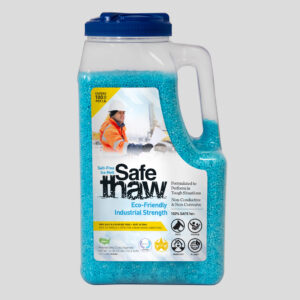
Safe Thaw
Safe Thaw was created as the ice management solution for tough winter environments. Ideal in commercial and industrial properties, shops, government agencies, bridges, construction. It’s 100% Salt-Free and Chloride-Free.
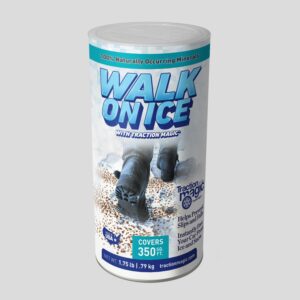
Walk On Ice
The slip and fall prevention solution, for any icy or snowy surface, on a handy portable package! Lightly spread around your walkway, driveway, vehicle, tires, and pathways. Turn ANY icy surface instantly, into a non-skid, slip-free surface.