When winter rolls in, bringing its frosty touch and turning our driveways into slippery slides, a burning question comes to mind: what’s the best ice melt to use? This comprehensive guide will walk you through the various options, focusing on their pros and cons, to help you choose the best ice melter for a safe and worry-free winter.
Table of Contents
Understanding Ice Melters: The Good, The Bad, and The Slippery
The hunt for the best ice melt usually starts with a familiar name: salt. Salt-based ice melts, known for their affordability and effectiveness, are a common sight once the temperature drops. But here’s the catch: while they’re good at melting ice, they’re not so kind to your driveway, your pets, or the environment.
Salt can be tough on concrete surfaces, causing cracks and long-term damage. It’s like using a really strong dish soap – sure, it cleans your dishes, but over time, it can leave your hands dry and cracked. For garden lovers, salt-based ice melts are a no-go; they can harm your plants and disrupt soil health. And if you have pets, you’ll want to think twice before using salt on your sidewalks, as it can irritate and even burn their paws.
Get ready for winter with Safe Paw: The Pet-Friendly Ice Melter that cares – for your home, pets, and planet.
The Step-Up Options: Magnesium Chloride and Calcium Chloride
Enter magnesium chloride and calcium chloride, often touted as better alternatives in the “best ice melt” conversation. These compounds are effective at lower temperatures, which is crucial when thinking about “what temperature does ice melt.” They also tend to be less harsh on concrete and vegetation compared to salt. However, they come with their own set of issues. While they’re a step up, they can still pose risks to pets if ingested and are not entirely eco-friendly.
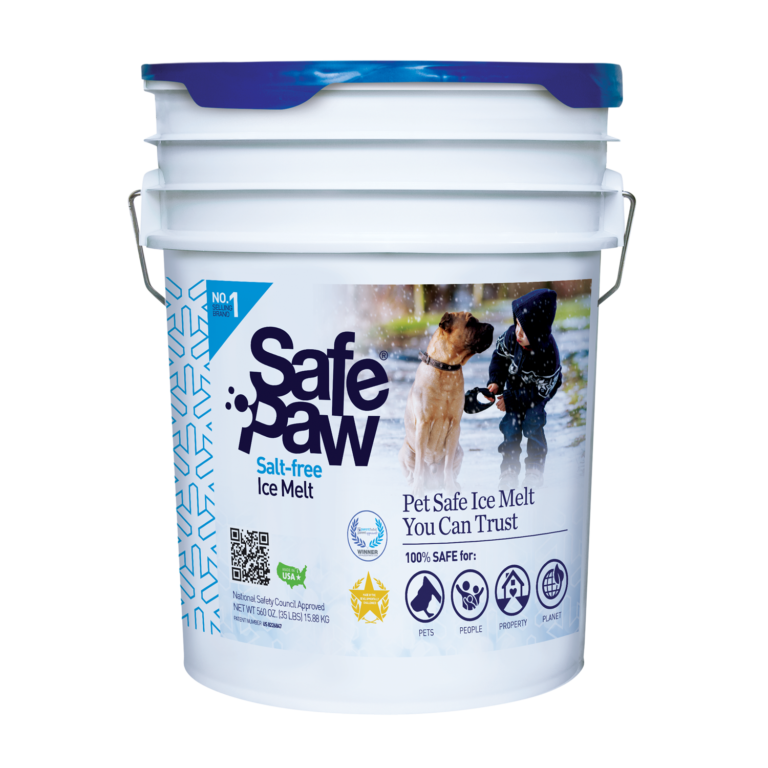
Safe Paw
It is a pet-friendly, eco-friendly ice melt that is safe for your family, pets, and property. It is made with a unique formula that is gentle on paws and concrete, and it melts ice and snow quickly and effectively.
Safe Paw is the perfect choice for winter weather!
Safe Paw: The All-Rounder in Ice Melting
In your quest to find the “best ice melt,” Safe Paw stands out as a superior choice. This chloride-free and toxin-free ice melt is not only effective at melting ice, even at temperatures as low as -2°F, but it’s also safe for people, pets, and the environment. Safe Paw’s granular formula ensures it spreads evenly and has a long shelf life, so you can use it season after season.
Using Safe Paw is straightforward. Before a snowstorm or freezing night, apply it to your walkways and driveways. It acts preemptively to stop ice from forming a bond with the surface, making it easier to clear away snow and ice later. It’s like preparing your home for winter – a little effort beforehand goes a long way in ensuring safety and ease during the cold months.
Get ready for winter with Safe Paw: The Pet-Friendly Ice Melter that cares – for your home, pets, and planet.
Why Does Salt Melt Ice – And Why That Matters for Homeowners
Since salt often comes up as the first choice in winter safety, it helps to understand exactly why does salt melt ice in the first place. The process is called freezing point depression: when salt mixes with water, it lowers the temperature at which water freezes, creating brine that breaks down ice.
But here’s where things get tricky—rock salt only works effectively down to about -9°C (15°F). Below that, it becomes unreliable, leaving patches of ice untouched. That’s why so many homeowners eventually ask the follow-up: if salt is limited, what about other options like calcium chloride or magnesium chloride?
Calcium Chloride vs Sodium Chloride for Melting Ice: The Real Difference
After using salt for years, many people switch to stronger options like calcium chloride. Comparing calcium chloride vs sodium chloride for melting ice shows just how different the results can be. Sodium chloride (rock salt) is inexpensive and easy to find, but it stalls in very cold temperatures. Calcium chloride, on the other hand, can keep working down to -25°C (-13°F), making it attractive for harsh Canadian winters.
Yet performance isn’t the only factor. Calcium chloride can corrode concrete, damage plants, and irritate pets’ paws. It solves one problem—melting at lower temps—but introduces others that homeowners often don’t see until spring when cracks and stains start showing up.
Mag Chloride vs Salt: Is It Really Safer?
Another common shift is from rock salt to magnesium chloride. On paper, mag chloride vs salt looks like a win. Magnesium chloride is less aggressive than calcium chloride, and it continues working down to about -15°C (5°F). For areas that don’t see extreme cold, it seems like a practical compromise.
However, magnesium chloride is still a chloride-based deicer. It can draw in moisture, leave behind slippery residues, and cause stomach upset if pets lick their paws after walking on treated surfaces. It might be a step up from rock salt, but it isn’t a step all the way toward safety.
Deicer Salt: Convenience with Consequences
It’s easy to see why many still rely on deicer salt—it’s cheap, widely available, and gets the job done in mild conditions. But the hidden costs are bigger than most realize. Corrosion on vehicles, rust on railings, scaling concrete, damaged lawns, and contaminated waterways all trace back to years of repeated salt use.
That’s why more homeowners are moving away from the cycle of “use it now, fix the damage later.” The real shift is toward chloride-free alternatives that perform in the cold without the long list of consequences.
Why Safe Paw Changes the Equation
After weighing calcium chloride vs sodium chloride for melting ice, or comparing mag chloride vs salt, the same frustration often comes up: every option seems like a compromise. That’s where Safe Paw steps in differently.
- It works in temperatures as low as -19°C (-2°F).
- It’s 100% chloride-free—no sodium chloride, no calcium chloride, no magnesium chloride.
- It’s non-corrosive, so your driveway, walkways, and concrete stay intact.
- It’s safe for pets, kids, plants, and waterways.
In other words, Safe Paw delivers the melting power homeowners need without the trade-offs of traditional salts.
Conclusion: Smarter Choices for Safer Winters
Salt may melt ice, but the bigger question is whether it’s the best choice for long-term safety. Sodium chloride is cheap but weak in extreme cold. Calcium chloride is powerful but corrosive. Magnesium chloride offers a middle ground but still carries risks.
Safe Paw eliminates the guessing game. By offering a chloride-free, non-toxic formula that performs even in harsh winters, it keeps homes safe without damaging surfaces, harming pets, or stressing the environment.
When the snow falls again, the real test isn’t just “what melts ice fastest”—it’s what keeps your family, pets, and property safe season after season. That’s where Safe Paw stands apart.
Get ready for winter with Safe Paw: The Pet-Friendly Ice Melter that cares – for your home, pets, and planet.
Try Our Other Winter Safety Products
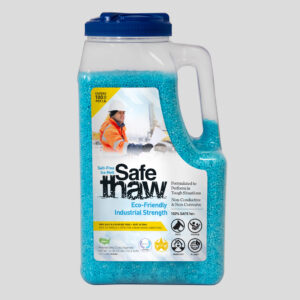
Safe Thaw
Safe Thaw was created as the ice management solution for tough winter environments. Ideal in commercial and industrial properties, shops, government agencies, bridges, construction. It’s 100% Salt-Free and Chloride-Free.
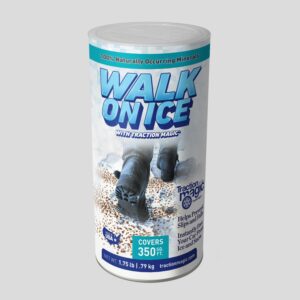
Walk On Ice
The slip and fall prevention solution, for any icy or snowy surface, on a handy portable package! Lightly spread around your walkway, driveway, vehicle, tires, and pathways. Turn ANY icy surface instantly, into a non-skid, slip-free surface.