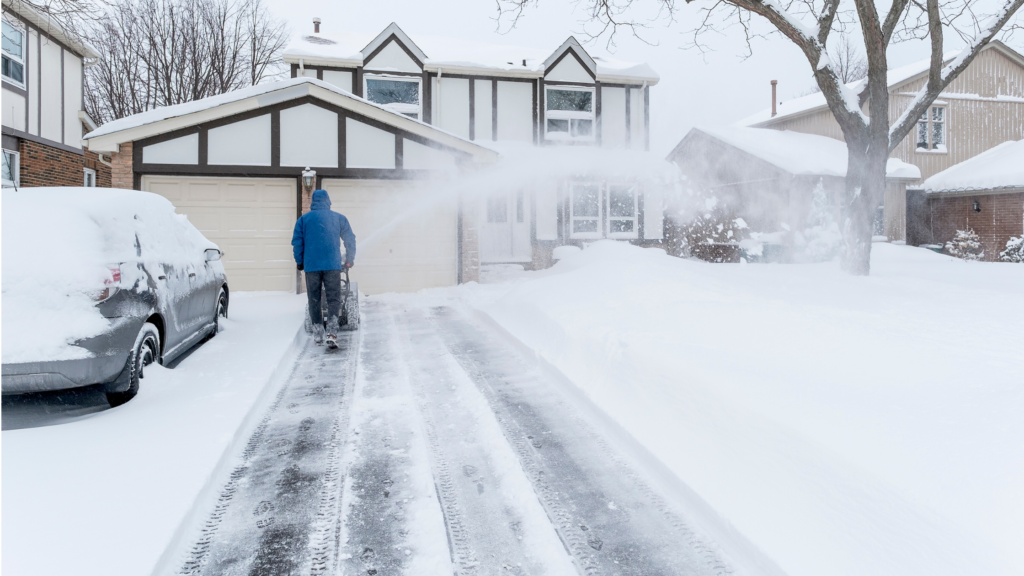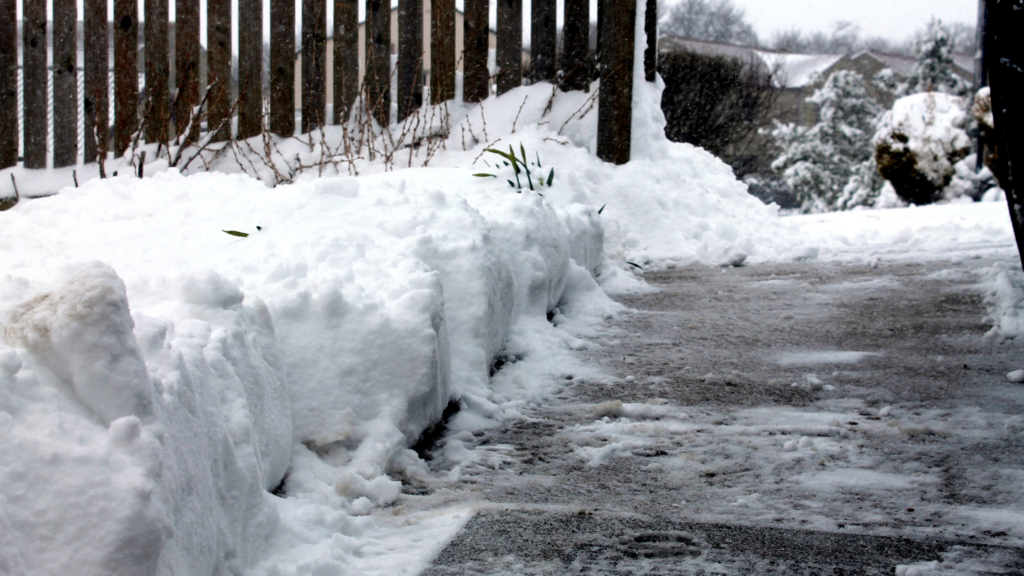

Winter maintenance is a crucial concern for homeowners, businesses, and municipalities, and liquid ice melters, also known as deicing liquids, have emerged as a popular solution. Unlike granular ice melts, these liquids offer distinct advantages, but they also come with limitations. Here’s a comprehensive look at the pros and cons of deicing liquids and why salt-free options like Safe Paw remain a superior choice.
Table of Contents
Understanding Liquid Deicers: Composition and Mechanism
Deicing liquids are primarily brines composed of chemicals such as sodium chloride, calcium chloride, or magnesium chloride. These solutions are designed to prevent ice from forming by lowering the freezing point of water.
- How They Work: Deicing liquids are applied directly to surfaces, forming a barrier that prevents snow and ice from bonding to roads, sidewalks, or driveways. They can also break the bond of pre-existing ice with the surface.
- Common Ingredients: Sodium chloride is the most commonly used, but calcium and magnesium chloride are favored for their effectiveness in lower temperatures.
While liquid deicers can be effective, their chemical composition raises concerns about their impact on the environment and infrastructure.
Advantages of Using Liquid Deicers
Liquid deicers have several benefits that make them appealing for winter maintenance:
- Immediate Effectiveness: Liquid deicers begin working as soon as they are applied, making them ideal for quick action before or during a storm.
- Reduced Scatter: Unlike granular products, liquids adhere to surfaces, minimizing waste and ensuring even coverage.
- Precise Application: Liquid deicers can be applied with precision, reducing the overall volume required and potentially lowering environmental impact.
- Pre-Treatment Capability: These solutions are effective as anti-icing agents, preventing snow and ice from bonding to surfaces when applied in advance.
Potential Drawbacks and Limitations
Despite their advantages, liquid deicers also have notable downsides:
- Specialized Equipment: Storage and application require specialized equipment, which can be costly for homeowners and small businesses.
- Reduced Efficacy on Thick Ice: Liquid deicers are less effective on thick, accumulated ice and heavy snowfall compared to granular alternatives.
- Environmental Concerns: Over-application or runoff can lead to soil and water contamination, harming vegetation and aquatic life. Chloride-based solutions, in particular, pose significant risks to local ecosystems.
- Infrastructure Damage: Chemicals like magnesium chloride can corrode metal and degrade concrete surfaces over time, leading to costly repairs.
Comparative Analysis: Liquid Deicers vs. Granular Ice Melts
When choosing between liquid and granular ice melts, it’s essential to weigh their pros and cons:
- Cost: Liquid deicers often require higher upfront investments due to the need for application equipment, while granular melts are more accessible and affordable.
- Effectiveness: Liquids excel in preventing ice formation but fall short in breaking down existing layers of thick ice compared to solid products.
- Environmental Impact: Both options can harm the environment if over-applied, but precise liquid applications can mitigate some of the damage.
- Impact on Surfaces: Granular salts often scatter and cause abrasion, while liquid deicers adhere better but can still cause chemical damage over time.
Why Safe Paw is a Better Alternative
For those seeking a safer, more eco-friendly solution, Safe Paw offers a salt-free and chloride-free option that protects both your property and the environment.
- Non-Toxic: Safe Paw is safe for pets, children, and plants, unlike chloride-based products.
- Concrete Protection: Its non-corrosive formula prevents damage to concrete, asphalt, and metal surfaces.
- Effective in Extreme Cold: Designed for frigid winters, Safe Paw works efficiently at temperatures as low as -2°F (-19°C).
https://www.youtube.com/watch?v=homY3Pi2lCo
Conclusion
Deicing liquids provide an innovative approach to winter maintenance, offering quick and precise ice removal. However, their environmental impact, infrastructure damage potential, and equipment requirements make them less practical for some applications. Alternatives like Safe Paw combine safety, effectiveness, and eco-friendliness, making them the ideal choice for homeowners seeking reliable and responsible ice management solutions.