Alright, folks, let’s gather around the digital fireplace and have a good old chinwag about something we all face when winter rolls into town – melting ice on our driveways. You’ve probably heard about or even tried whipping up a batch of “homemade deicer.” It sounds like a fun science experiment, doesn’t it? But let’s be real: are these DIY solutions the real deal, or are we just spinning our wheels?
Table of Contents
The DIY Deicer Mix: A Recipe for... Disaster?
The internet is brimming with homemade deicer recipes, promising a quick fix to your icy woes. The classic ingredients? Salt, dish soap, and something like rubbing alcohol or vinegar. It’s like a kitchen-sink approach to winter problems. But here’s the thing – while these ingredients might sound harmless, their long-term effects are anything but.
- Salt – The Not-So-Sweet Solution: Salt, the go-to choice in many homemade recipes, does lower the freezing point of water, sure. But it’s a bit like inviting a bull into a china shop – effective, but oh boy, the damage! Salt can wreak havoc on your concrete, leading to cracks and all sorts of wear and tear. It’s also not great for the plants around your driveway or the local pets who might take a stroll across it.
- Rubbing Alcohol or Vinegar – The Freezing Point Fiasco: These ingredients are added to help lower the freezing point even more. But the effectiveness in extreme cold is… let’s just say, not up to par. Plus, frequent use can lead to damage to concrete surfaces and nearby plants.
- Dish Soap – The Slippery Slope: The idea here is that soap helps the mix spread more evenly. But let’s face it, soapy driveways are accidents waiting to happen. It’s like oiling up the floor and calling it a safety measure.
In a nutshell, while these homemade deicers might offer a temporary fix, they come with a baggage of problems. They’re like that cheap pair of winter boots that seem great until they start leaking.
Get ready for winter with Safe Paw: The Pet-Friendly Ice Melter that cares – for your home, pets, and planet.
The Alternative A-Team: Magnesium and Calcium Chloride
Now, on to magnesium chloride and calcium chloride. Think of them as the trendier, slightly more upmarket alternatives to salt. They’re like switching from instant coffee to a fancy espresso – a bit more refined, and they work at lower temperatures. But, and it’s significant, they come with their own set of issues. They’re kinder than salt, but still not saints. They can be a bit harsh on the environment and your wallet, kind of like splurging on a designer coat that looks great but doesn’t really keep you any warmer.
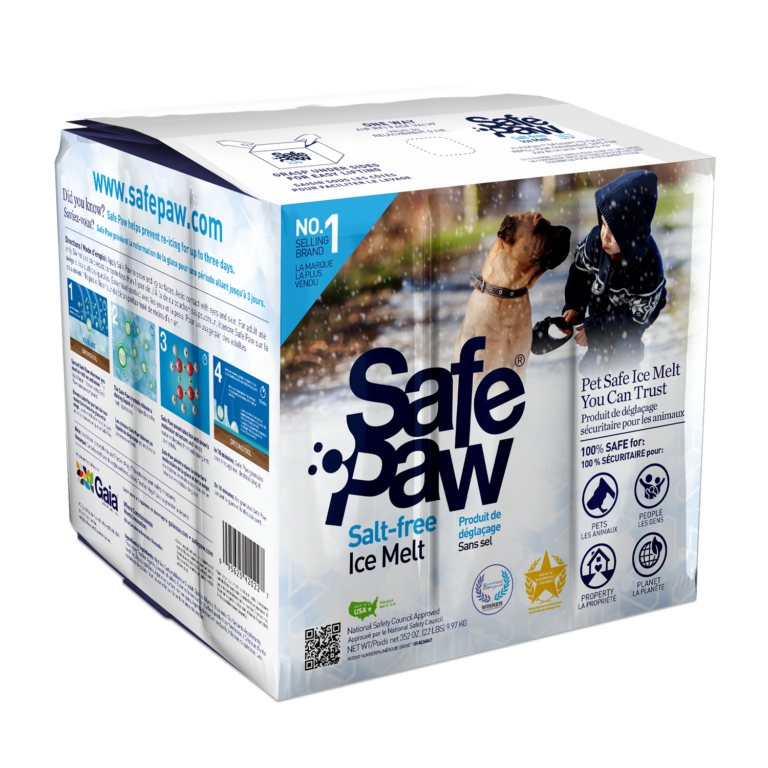
Safe Paw
It is a pet-friendly, eco-friendly ice melt that is safe for your family, pets, and property. It is made with a unique formula that is gentle on paws and concrete, and it melts ice and snow quickly and effectively.
Safe Paw is the perfect choice for winter weather!
Enter Safe Paw: The Sensible, Safe Alternative
Now, let’s shine a spotlight on Safe Paw. In the realm of “best ice melt” solutions, Safe Paw is like that reliable, all-season friend. It’s a non-toxic, pet-safe, and concrete-friendly product that stands up to winter’s challenges without the drama. Here’s why Safe Paw is a better choice:
- Concrete-Friendly: Unlike salt-based deicers, Safe Paw won’t have your driveway looking like the surface of the moon. It’s gentle yet effective.
- Environmentally and Pet-Safe: Safe Paw keeps your green conscience clear. It’s harmless to your plants and safe for your pets, which means no more worrying about Fido’s paws after a walk.
- Effective in Extreme Cold: While homemade deicers falter in seriously cold weather, Safe Paw holds its own. It’s like having an ice-melting superhero on your side.
Get ready for winter with Safe Paw: The Pet-Friendly Ice Melter that cares – for your home, pets, and planet.
Salt vs Calcium Chloride Health Human Risks From DIY Mixes
You’ve already seen how tossing salt, dish soap, rubbing alcohol, or vinegar into homemade mixes feels like a clever hack. But here’s what recent evidence tells us about salt vs calcium chloride health human hazards—because it’s not just about concrete and plants.
Calcium chloride (and similar chloride salts) is far more hygroscopic—it draws moisture from the air and skin. For humans, that means skin and nail beds can dry out faster. If you walk on surfaces treated with DIY salt or calcium chloride mixes, especially barefoot or with thin footwear, you might feel that harsh stinging on tiny cracks. Also, inhaling fine salt or dust particles sprayed by DIY mixes can irritate lungs. Public health extension materials warn that over-use may contribute to respiratory discomfort, especially for sensitive people.
So while your kitchen concoction seems harmless, mixing salt or calcium substances with things like vinegar or alcohol may increase skin or inhalation exposure—as each ingredient might increase salt penetration or residue left behind. That “home chemistry” feel might raise risk quietly over repeated use.
How to Melt Snow on Driveway Without the Damage
Since you already know DIY recipes often fail in very cold weather, here’s what homeowners are switching to (or combining) with safer solutions when they ask how to melt snow on driveway or car ice melter without degradation.
One approach: partial use of electric snow melt system or driveway snow melt system in high-risk spots (steps, tire tracks, sidewalks), combined with minimal amounts of safer deicer elsewhere. Electric or hydronic heating systems can keep those surfaces warm just above freezing, so snow never bonds—removing need for salt or harsh DIY mixes.
These systems eliminate the mess of homemade deicers, avoiding slippery soap residue, harsh odours, and the uneven melting you often get with DIY mixes. They do cost more up front, but less in repairs over time, less wear on skin, pets, and surfaces.
Electric Snow Melt System: Smart but With Trade-Offs
If considering moving beyond DIY, electric snow melt systems are the next big upgrade. These are typically heating mats or embedded wires/tubes beneath the concrete or pavers to melt snow as it falls. Here’s what newer data and user reports are saying:
- Benefit: no de-icing chemicals needed, so no residual salt or calcium chloride to damage concrete or irritate people/pets. A heated driveway avoids that “frozen slush” layer that’s so hard to break.
- Drawback: cost of electricity and installation can be high. For example, retrofitting an existing driveway with heating cables or mats, plus sensors, can run into thousands of dollars. Operating costs vary with frost intensity, but even in mild winters, energy use adds up.
Another trade-off: these systems tend to work best if installed properly (good insulation beneath, correct spacing of cables or mats) to avoid cold spots that still accumulate ice. Improper installation amplifies problems instead of resolving them.
Wrapping It Up: A Word to the Wise on Ice Melting
So, there we have it. While the idea of a “homemade deicer” might tickle your DIY fancy, it’s important to weigh the pros and cons. Considering the potential damage to your driveway, the surrounding environment, and the well-being of your pets, a product like Safe Paw is a smarter, more responsible choice. As winter spreads its icy fingers, remember that the best approach to melting ice is one that ensures safety, effectiveness, and care for the environment. Here’s to a winter of clear, safe driveways, happy plants, and wagging tails. Stay toasty, stay safe, and let’s tackle those icy challenges with a bit of know-how and the right tools!
Get ready for winter with Safe Paw: The Pet-Friendly Ice Melter that cares – for your home, pets, and planet.
When Homemade Deicers May Actually Do More Harm Than Good
Since DIY deicers are popular, here are newer findings about what specifically goes wrong when they’re used often:
- Concrete scaling & spalling: Salt crystals, when the DIY mix dries and then moisture refreezes, expand and chip away at concrete surfaces. Repeated cycles accelerate visible cracking and pitting.
- Plant and soil stress: Runoff from these mixtures harms nearby vegetation—DIY deicer ingredients like salt or calcium chloride plus alcohol or soap raise soil salinity and change pH in harmful ways. Even temporary use causes plant tip-burn and root damage in sensitive plants.
- Health for pets/humans: As mentioned, paws get irritated, residues get carried indoors, and people may get dryness or minor burns on skin. Over time, repeated exposure to salt/chloride on shoes, carpet, or pets increases likelihood of irritation or allergic reaction.
Conclusion
So, putting all this together: while DIY deicer recipes sound fun and frugal, repeated use of salty, vinegar-soapy mixes or calcium chloride combos brings more issues than they solve. The chemical stress on concrete surfaces, damage to plants and soil, and risk of irritation for humans and pets tends to stack up.
If you want effective, low-damage ice removal, your best bet is combining smarter options: using electric snow melt systems in critical zones, minimizing (or eliminating) DIY mixes, and choosing products like Safe Paw that are salt-free and non-corrosive. That way, you avoid worrying about salt vs calcium chloride health human risks, keep your driveway in better shape, and protect everyone who walks or plays on it—including your four-legged friends.
Try Our Other Winter Safety Products
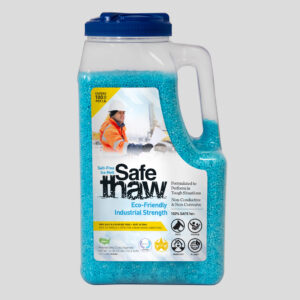
Safe Thaw
Safe Thaw was created as the ice management solution for tough winter environments. Ideal in commercial and industrial properties, shops, government agencies, bridges, construction. It’s 100% Salt-Free and Chloride-Free.
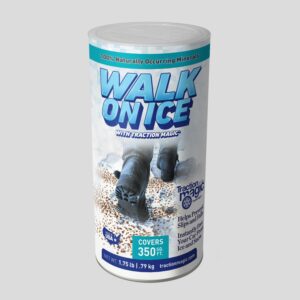
Walk On Ice
The slip and fall prevention solution, for any icy or snowy surface, on a handy portable package! Lightly spread around your walkway, driveway, vehicle, tires, and pathways. Turn ANY icy surface instantly, into a non-skid, slip-free surface.