
Winter often brings icy walkways, driveways, and patios, leaving homeowners with the challenge of maintaining safety. Two common solutions are rock salt and ice melt products, but understanding their differences is crucial to making an informed decision. When it comes to the debate of ice melt vs salt, safety, effectiveness, and impact on your home and family should be key considerations.
Table of Contents
Chemical Composition and Mechanism of Action
Rock salt, or sodium chloride, is the traditional choice for de-icing. It works by lowering the freezing point of water, preventing ice formation and melting existing ice. However, rock salt’s chemical makeup can pose challenges:
- Corrosive Properties: Sodium chloride is highly corrosive, leading to potential damage to metal, concrete, and asphalt surfaces.
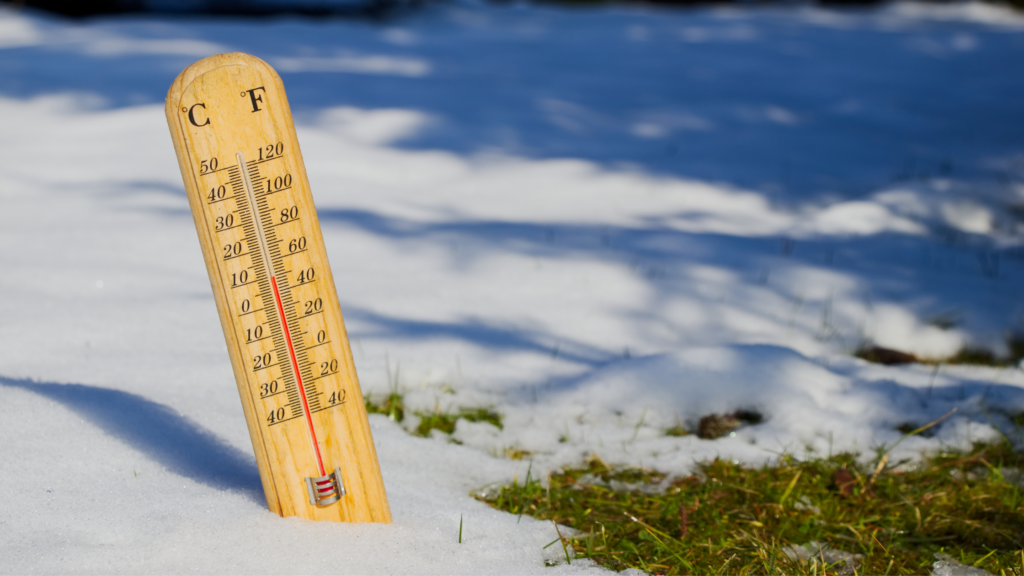
- Limited Temperature Range: Rock salt becomes ineffective below -9°C (15°F), making it unreliable in extreme cold.
Ice melt products, on the other hand, often contain alternative ingredients like calcium chloride, magnesium chloride, or urea. Products like Safe Paw, a chloride-free ice melter, offer an even safer solution with a unique, non-toxic formula:
- Enhanced Effectiveness: Many ice melters remain effective at much lower temperatures, some as low as -25°C (-13°F).
- Non-Corrosive Options: Certain ice melt products, including Safe Paw, are formulated to be gentle on surfaces, reducing the risk of structural damage.
Get ready for winter with Safe Paw: The Pet-Friendly Ice Melter that cares – for your home, pets, and planet.
Effectiveness in Varying Temperature Ranges
For regions with milder winters, rock salt may be sufficient to handle light ice and snow. However, in areas with extreme cold, the limits of rock salt’s effectiveness become apparent.
Ice melters excel in these conditions. For example:
- Calcium chloride-based melts: Effective at extremely low temperatures, they provide fast-acting results.
- Safe Paw: Works reliably at -2°F (-19°C), offering consistent performance in frigid climates without the risks of chlorides.
This contrast in performance highlights the advantages of ice melt vs salt, particularly in colder regions.
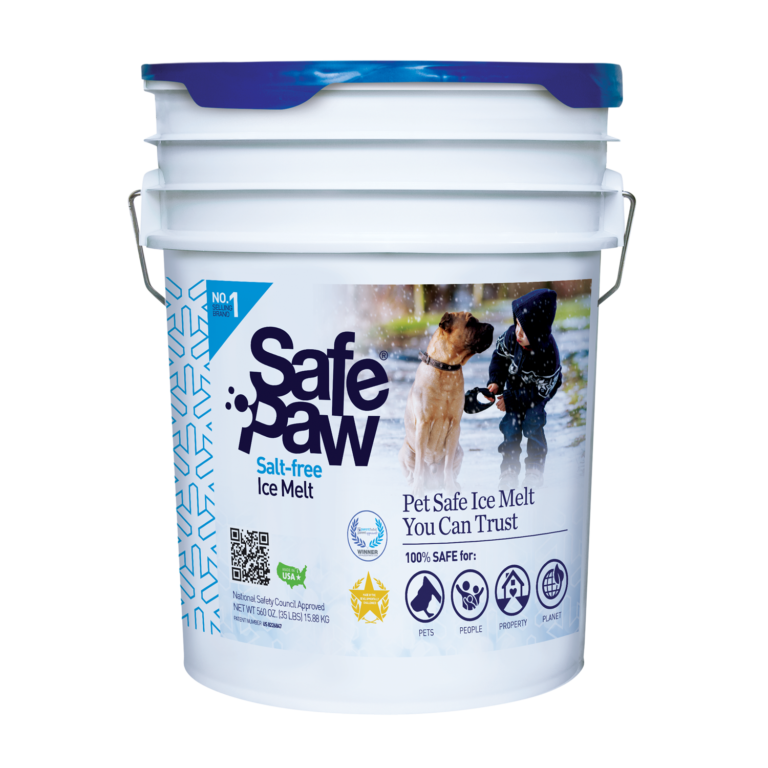
Safe Paw
It is a pet-friendly, eco-friendly ice melt that is safe for your family, pets, and property. It is made with a unique formula that is gentle on paws and concrete, and it melts ice and snow quickly and effectively.
Safe Paw is the perfect choice for winter weather!
Impact on Surfaces and Infrastructure
Rock salt’s corrosive nature poses significant risks to your home’s infrastructure:
- Concrete Damage: The freeze-thaw cycle, combined with salt’s penetration, leads to cracking, spalling, and surface degradation.
- Metal Corrosion: Vehicles, metal railings, and tools are vulnerable to rust and corrosion from salt exposure.
- Wood Surfaces: Decking and outdoor furniture can become discolored or weakened over time.
Ice melters, especially salt-free options, are less likely to damage these surfaces. Safe Paw, for instance, is non-corrosive and safe for use on concrete, wood, and metal, making it a superior choice for long-term property preservation.
Get ready for winter with Safe Paw: The Pet-Friendly Ice Melter that cares – for your home, pets, and planet.
Health and Safety Considerations for Children and Pets
Rock salt can irritate skin and paws and is hazardous if ingested by children or pets. Its sharp granules can cause discomfort for pets walking on treated surfaces.
Ice melters designed with safety in mind minimize these risks:
- Pet-Safe Options: Products like Safe Paw are non-toxic and gentle on paws.
- Child-Friendly Formulas: Chloride-free ice melters eliminate the risk of accidental ingestion, providing peace of mind for families.
Calcium Chloride vs. Sodium Chloride for Melting Ice: What Homeowners Should Know
After understanding the general differences between ice melt vs salt, it’s worth looking closer at calcium chloride vs sodium chloride for melting ice. Both are common in de icer salt products, yet their performance and risks differ greatly.
Sodium chloride, or traditional rock salt, is the cheapest option, but it quickly loses effectiveness once temperatures drop below -9°C (15°F). Calcium chloride, on the other hand, works faster and continues melting ice in extreme cold—down to -25°C (-13°F). That makes it seem like the stronger solution, but strength isn’t everything.
Calcium chloride is highly exothermic, meaning it generates heat when it dissolves. This can speed up melting, but it also increases the risk of burns on skin and paw irritation for pets. From a long-term perspective, both sodium chloride and calcium chloride can damage concrete and vegetation, and both are corrosive to metal.
This is where alternatives like Safe Paw become valuable. Instead of choosing between two harsh salts, Safe Paw offers a chloride-free formula that melts effectively without the hidden costs to your health, driveway, or garden.
Salt vs. Calcium Chloride: Health and Human Safety Concerns
Another angle that often gets overlooked in the salt vs calcium chloride health human discussion is direct contact and indoor exposure. Salt residue doesn’t just stay outdoors—it gets tracked inside on shoes, boots, and even pet paws.
Sodium chloride can irritate skin and dry out hands, while calcium chloride can cause more severe burns and eye irritation if touched. For families with kids, this matters. Children crawling on the floor or playing indoors can come into contact with dried salt dust that has been carried inside.
Both salts are also problematic if ingested accidentally, causing nausea, vomiting, or worse in higher doses. That’s why many homeowners are switching to chloride-free de-icer salt alternatives. Safe Paw, being non-toxic, eliminates these concerns completely. It’s one less thing to worry about when kids are running in and out of the house during snow days.
Electric Snow Melt Systems vs. De-Icer Salt
Some households wonder whether an electric snow melt system could be the answer instead of constantly sprinkling de-icer salt. These systems use underground cables to warm the driveway, preventing ice from forming at all.
The big advantage is convenience—no spreading, no sweeping, no residue. But the reality is the price tag. Installing a snow melting system can cost between $10,000 and $25,000 CAD depending on size, and that doesn’t include electricity bills or ongoing maintenance.
De-icer salt may seem cheaper, but its hidden costs are concrete damage, corroded cars, and dead plants. In the long run, chloride-free products like Safe Paw provide a much more balanced solution: safe for people, safe for pets, and affordable season after season.
Get ready for winter with Safe Paw: The Pet-Friendly Ice Melter that cares – for your home, pets, and planet.
The Long-Term Choice for Families
When we circle back to the main debate of ice melt vs salt, the pattern is clear. Rock salt is cheap but unreliable in extreme cold. Calcium chloride and magnesium chloride are stronger, but they bring serious risks to health, pets, and property. Electric snow melt systems are convenient but unrealistic for most families because of their costs.
That leaves chloride-free ice melt products like Safe Paw. They cover all the important bases—effective in frigid conditions, non-corrosive, safe for pets and children, and eco-friendly. For homeowners who want safety without compromise, Safe Paw stands out as the most responsible choice.
Conclusion
The debate of ice melt vs salt often boils down to weighing short-term convenience against long-term safety and cost. Whether you’re comparing calcium chloride vs sodium chloride for melting ice or thinking about the risks highlighted in salt vs calcium chloride health human discussions, the conclusion is the same: both salts have significant downsides.
While electric snow melt systems offer a futuristic solution, their steep cost puts them out of reach for most households. De-icer salt remains popular, but its damage to driveways, cars, and plants is hard to ignore.
This winter, the smarter investment is a product that checks every box: safety, effectiveness, and sustainability. Safe Paw delivers on all fronts, giving you a clear driveway without compromising your family’s health, your pets’ comfort, or your property’s integrity.
Try Our Other Winter Safety Products
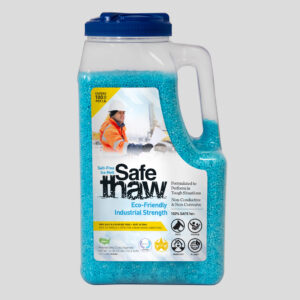
Safe Thaw
Safe Thaw was created as the ice management solution for tough winter environments. Ideal in commercial and industrial properties, shops, government agencies, bridges, construction. It’s 100% Salt-Free and Chloride-Free.
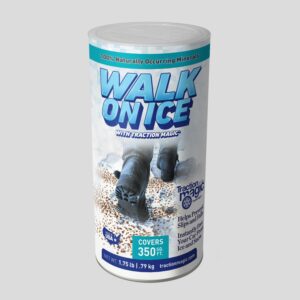
Walk On Ice
The slip and fall prevention solution, for any icy or snowy surface, on a handy portable package! Lightly spread around your walkway, driveway, vehicle, tires, and pathways. Turn ANY icy surface instantly, into a non-skid, slip-free surface.