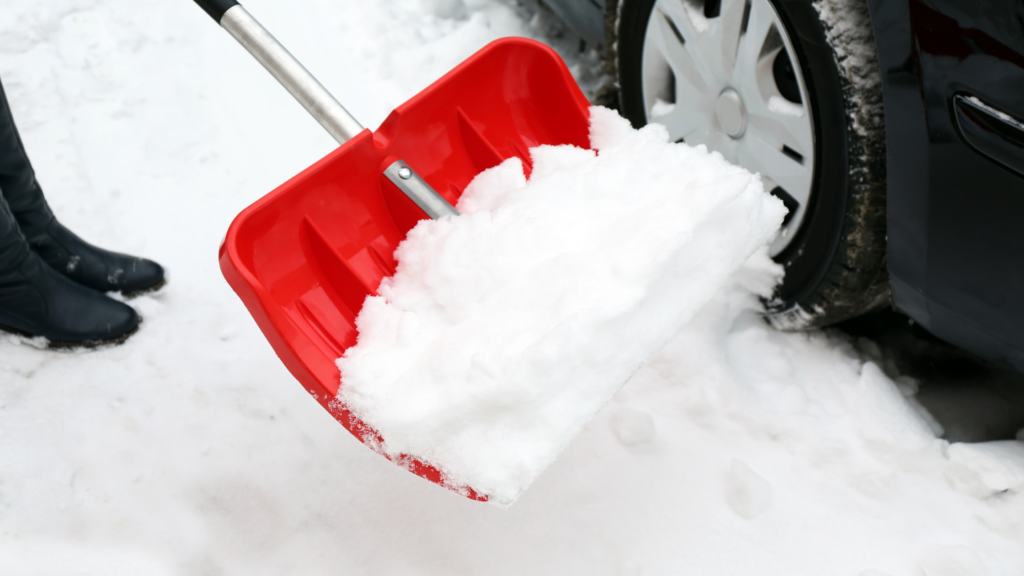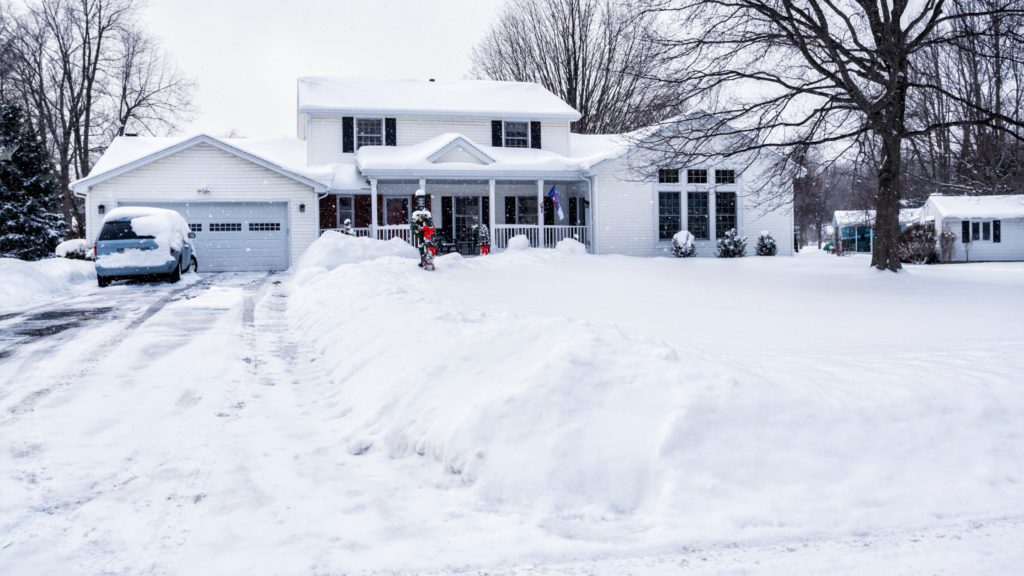

When winter arrives in Canada, icy driveways and sidewalks become a major concern for homeowners. Traditionally, ice melting salt has been the go-to solution for managing slippery surfaces, but growing awareness of its drawbacks is leading to a shift toward safer, more sustainable options. This article will debunk common myths about ice melting salt, highlight its negative effects, and explore why salt-free products like Safe Paw snow melter are the future of winter maintenance.
Table of Contents
The Myths About Ice Melting Salt
Myth 1: Ice Melting Salt Is Harmless
One of the most common misconceptions is that ice melting salt is a harmless way to manage ice. In reality, salt-based products are highly corrosive and have long-term negative effects on property, health, and the environment.
Myth 2: Salt Is the Only Effective Solution
Many believe that ice melting salt is the only reliable option for melting ice. However, salt-based products lose effectiveness in extreme cold, often becoming ineffective below -9°C (15°F).
Myth 3: Ice Melting Salt Is Safe for Pets
While marketed as safe, salt-based de-icers can irritate pets’ paws and, if ingested, lead to serious health complications, including vomiting and dehydration.
Get ready for winter with Safe Paw: The Pet-Friendly Ice Melter that cares – for your home, pets, and planet.
The Hidden Costs of Ice Melting Salt
Salt might seem affordable and convenient, but its hidden costs make it an unsustainable option:
- Property Damage: Salt corrodes concrete, asphalt, and metal, leading to cracks, scaling, and costly repairs.
- Environmental Impact: Salt runoff contaminates soil and water, harming vegetation and aquatic ecosystems.
- Health Risks: For pets, salt can cause painful burns on paws and pose a toxicity risk if ingested.
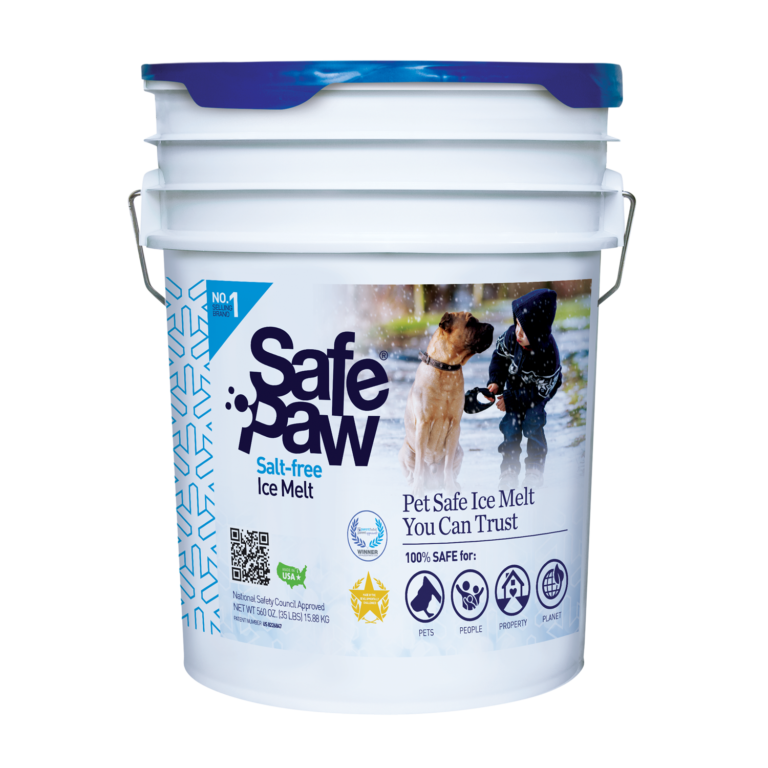
Safe Paw
It is a pet-friendly, eco-friendly ice melt that is safe for your family, pets, and property. It is made with a unique formula that is gentle on paws and concrete, and it melts ice and snow quickly and effectively.
Safe Paw is the perfect choice for winter weather!
Why Salt-Free Snow Melters Are the Future
Salt-free snow melters address the concerns associated with traditional salt products, offering a safer and more effective solution. Among these, Safe Paw stands out as a leading alternative.
Safe Paw: The Salt-Free Revolution
Safe Paw snow melter is a 100% salt-free, chloride-free product designed to prioritize safety and sustainability while delivering superior performance.
- People and Pet Safe: Safe Paw’s non-toxic formula ensures the safety of children and pets. Unlike ice melting salt, it doesn’t irritate paws or pose ingestion risks.
- Non-Corrosive: Unlike salt-based snow melters, Safe Paw doesn’t damage concrete, asphalt, or decking. It protects your property from the harmful effects of salt corrosion.
- Effective in Extreme Cold: Safe Paw works in temperatures as low as -2°F (-19°C), making it reliable for harsh Canadian winters.
- Eco-Friendly: Its biodegradable formula prevents soil and water contamination, protecting plants and ecosystems.
- Cost-Effective: Safe Paw offers a long shelf life and excellent spread rate, requiring less product to achieve effective results, saving time and money.
Get ready for winter with Safe Paw: The Pet-Friendly Ice Melter that cares – for your home, pets, and planet.
The Shift Toward Sustainable Winter Maintenance
As Canadians become more aware of the environmental and health impacts of ice melting salt, the demand for safer, salt-free solutions like Safe Paw is growing. These products not only ensure effective ice control but also protect your property, pets, and the environment.
Is Rock Salt Safe for Pets? A Closer Look at the Overlooked Risks
Even after we’ve talked about the myths of ice melting salt, one question still lingers for many pet owners: is rock salt safe for pets? The short answer is no—not in the way most people hope. While small, occasional contact might not seem catastrophic, repeated exposure quickly adds up. Paw pads dry out, cracks form, and every walk turns into a chance for pets to lick residues that upset their stomachs or, in worse cases, cause salt toxicosis. Veterinary reports continue to show seasonal spikes in paw injuries and digestive issues that trace back to rock salt use.
This is where products like Safe Paw salt free ice melt show their real value—not just as an alternative, but as a solution that completely avoids those risks. Without chlorides or harsh chemicals, you eliminate the worry of paw burns or toxic ingestion altogether.
How Long Does It Take for Salt to Melt Ice? More Than Just Time
Another myth worth dispelling: that salt instantly makes ice disappear. In moderate cold (just below 0°C / 32°F), science shows that rock salt generally starts melting ice in about 10-15 minutes, but that depends heavily on conditions.
Different salts act faster under certain conditions: calcium chloride or magnesium chloride begin working more quickly than rock salt when temperatures are lower. But time isn’t the only factor—ice thickness, how evenly the salt is spread, surface material (concrete vs asphalt), and humidity play big roles. Even then, salt doesn’t last; repeated freeze-thaw cycles combined with salt dissolve more quickly and drive surface damage.
Safe Paw, in contrast, doesn’t rely on that harsh chloride reaction. Its salt-free formula acts more gently, avoiding those speed-vs-damage trade-offs.
Best Salt for Sidewalks? Why Sidewalk Salt Doesn’t Always Mean Safe Sidewalk
Sidewalks are the high-traffic zones: pets walk here, kids run, people pass through. So when choosing best salt for sidewalks, many opt for salts that promise to be gentler. But many “sidewalk salts” are still predominantly chloride. Labels may include “pet safe” or “walk-friendly,” but residual salt remains, tracks into homes, and gets on pets’ paws and fur. Over time, even “sidewalk salt” causes concrete edges to chip, sealants to fail, and plants alongside sidewalks to brown.
By switching away from salt-based sidewalk salt products, homeowners can avoid those recurring issues—not just in safety, but in wear, repair, and unexpected pet health costs.
Is Rock Salt Safe for Pets? Not as Safe as You Think
Many articles and pet experts emphasize that while small exposures may not be immediately dangerous, rock salt is not completely benign. Repeated exposure causes cumulative damage. According to the MSD Veterinary Manual, salt toxicosis is a real concern if pets ingest too much sodium chloride—symptoms may include lethargy, increased thirst, vomiting, weakness, and in severe cases, seizures.
Another recent study (2025) reports that pet clinics see seasonal spikes in cases of paw irritation, chemical burns, and gastrointestinal issues closely linked to de-icer contact. Even breeds thought to be less vulnerable are showing discomfort after walks on salt-treated sidewalks.
Salt-free products like Safe Paw remove this risk completely—if there’s no harmful chloride to irritate paws or be ingested, pets are better protected.
Get ready for winter with Safe Paw: The Pet-Friendly Ice Melter that cares – for your home, pets, and planet.
Melting Salt: The Science Behind Effectiveness—and Damage
We already touched on how salt lowers the freezing point of water, but more recent lab studies highlight how over-application or use in extremely cold conditions not only reduces effectiveness but accelerates damage. Saline brine from melting salt penetrates concrete pores; when temperature drops again, the water freezes and expands, causing micro cracks that expand over time.
Also, when salt dissolves, the saltwater runoff harms soil, plants, and aquatic ecosystems. What’s more, areas that receive a lot of winter foot traffic, vehicle splash, or runoff show more discoloration and faster surface breakdown.
An example: in milder temperatures (just below freezing), rock salt may fully melt thin ice in 10-15 minutes. But in colder conditions (below -10°C), melting might take much longer, and salt must be reapplied—leading to more exposure of surfaces, more damage, more risk to pets.
In contrast, with Safe Paw or similar salt-free snow melter products, while melting might not be lightning-fast under extreme cold, the trade-off is preservation of driveway integrity, pet safety, and environmental health—results that many users say are more satisfying overall.
Conclusion
All told, the myths about ice melting salt and supposed pet-safe blends are unraveling under closer scientific scrutiny. Whether it’s about how long it takes for salt to melt ice, is rock salt safe for pets, or what counts as best salt for sidewalks, the picture is clear: salt-based solutions always carry hidden costs.
Salt-free options like Safe Paw are not just alternatives—they’re the future of winter maintenance. They eliminate many of the risks: paw irritation, ingestion problems, surface deterioration, and environmental damage. Over time, choosing salt-free means fewer repairs, fewer vet visits, better preserved driveways—and ultimately, safer winters without compromise.
Try Our Other Winter Safety Products
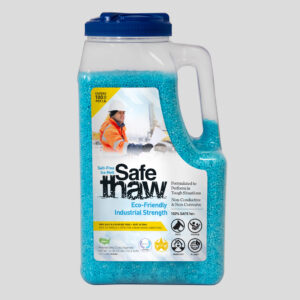
Safe Thaw
Safe Thaw was created as the ice management solution for tough winter environments. Ideal in commercial and industrial properties, shops, government agencies, bridges, construction. It’s 100% Salt-Free and Chloride-Free.
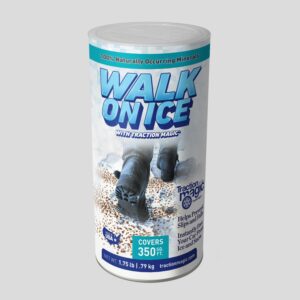
Walk On Ice
The slip and fall prevention solution, for any icy or snowy surface, on a handy portable package! Lightly spread around your walkway, driveway, vehicle, tires, and pathways. Turn ANY icy surface instantly, into a non-skid, slip-free surface.