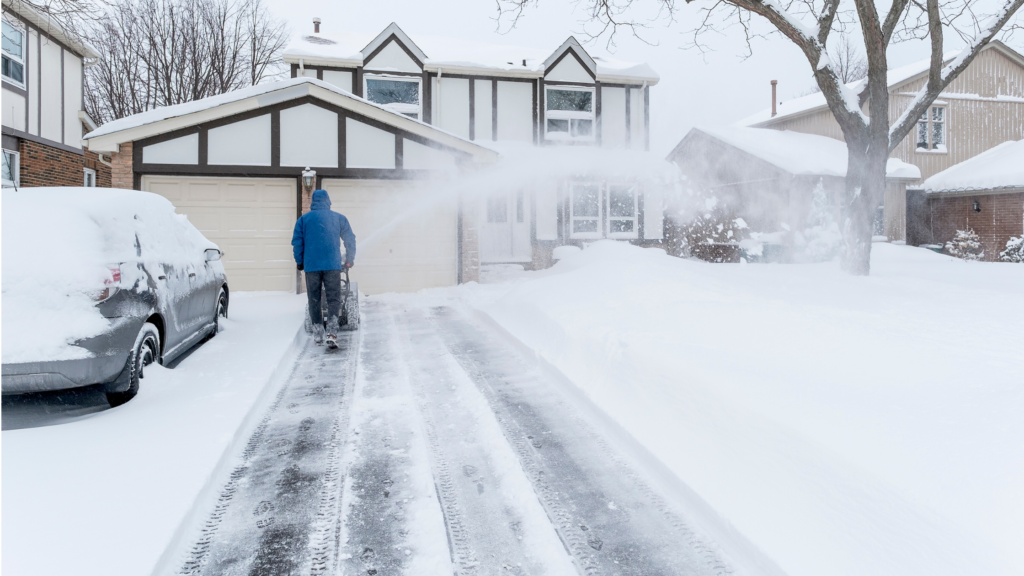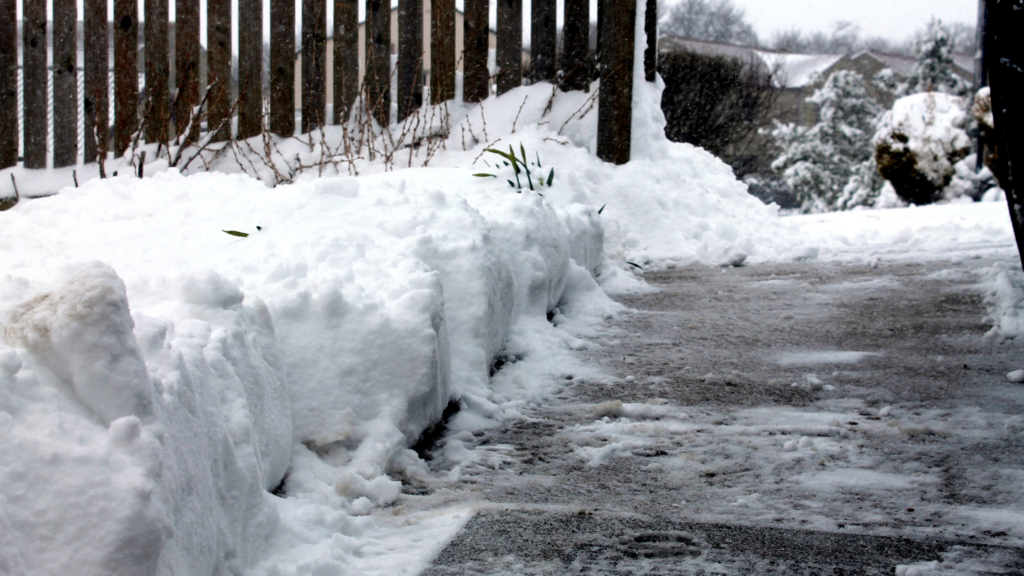

Winter may transform your surroundings into a picturesque wonderland, but it also brings challenges, especially for pet owners. Ice-covered sidewalks and driveways require effective de-icing solutions, but not all products are safe for our furry friends. Traditional de-icing salts can harm pets, damage surfaces, and negatively impact the environment. Here’s everything you need to know about pet friendly salt for winter and how to ensure safety during ice removal.
Table of Contents
Understanding the Risks of Traditional Ice Melts to Pets and Property
Many conventional ice-melting products contain harsh chemicals like sodium chloride (rock salt) and calcium chloride. While effective at melting ice, these substances pose significant risks:
- Paw Irritation: Salt can cause dryness, cracking, and burns on pets’ sensitive paws. If left untreated, this can lead to infections and discomfort.
- Toxicity Risks: Pets often lick their paws after walking on treated surfaces. Ingesting traditional ice melt can cause gastrointestinal distress, vomiting, and even severe health complications.
- Surface Damage: Sodium chloride accelerates the freeze-thaw cycle in concrete, causing cracks and scaling. It also corrodes metal and harms vegetation through runoff.
Get ready for winter with Safe Paw: The Pet-Friendly Ice Melter that cares – for your home, pets, and planet.
Key Ingredients to Look for in Pet-Safe Ice Melts
Switching to pet friendly salt for winter means choosing products that avoid harsh chemicals while maintaining effectiveness. Here are some safe ingredients to look for:
- Magnesium Chloride: A safer alternative to traditional salts, it is less harmful to pets and works effectively at lower temperatures.
- Urea-Based Products: Commonly used in fertilizers, urea is less non-toxic for pets and effective for ice removal, though it may require higher quantities in extreme cold.
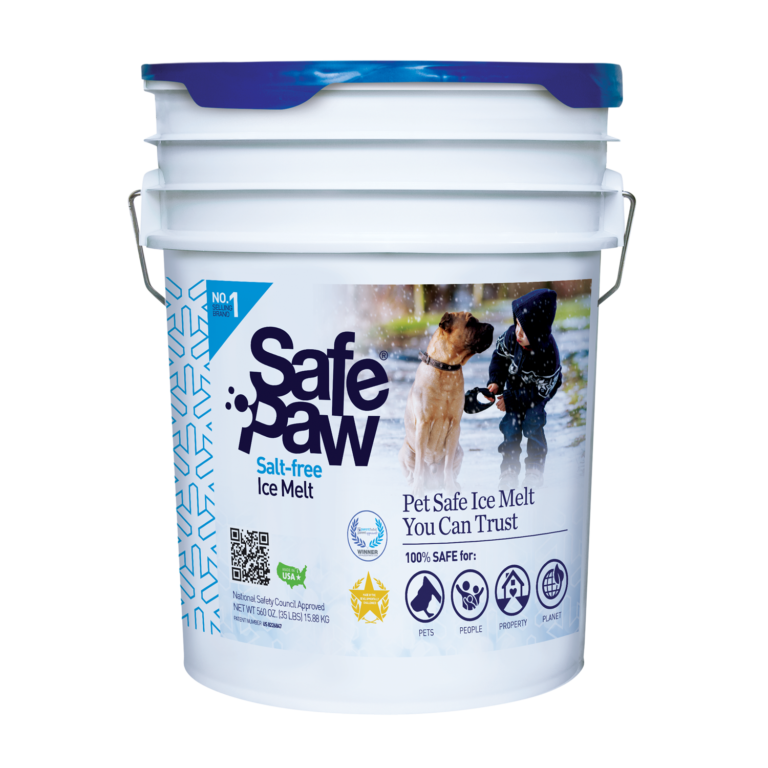
- Safe Paw: This standout product is completely salt-free and chloride-free, making it one of the safest options for pets, children, and surfaces.
Safe Paw
It is a pet-friendly, eco-friendly ice melt that is safe for your family, pets, and property. It is made with a unique formula that is gentle on paws and concrete, and it melts ice and snow quickly and effectively.
Safe Paw is the perfect choice for winter weather!
Top Pet-Friendly Ice Melt Products for Winter Safety
To make your winter safer for pets and property, consider Safe Paw. Known for its non-toxic formula, Safe Paw ensures no harm to paws, concrete, or the environment. It works in extreme cold, down to -2°F (-19°C), and offers excellent coverage with minimal product.
Best Practices for Using Pet-Safe Ice Melts Effectively
Even with pet-friendly products, proper application is key to ensuring safety and efficacy.
- Pre-Treat Surfaces: Apply pet-safe ice melt before snowfall to prevent ice bonding and reduce the need for excessive product use.
- Use Moderate Quantities: Follow manufacturer recommendations to avoid over-application, which could affect surrounding vegetation.
- Clean Paws After Walks: Wipe your pet’s paws with a damp cloth after outdoor activities to remove any residue.
- Store Products Safely: Keep ice melts out of reach of pets to prevent accidental ingestion.
Calcium Chloride vs Salt: What Pet Owners Should Really Know
After considering the safer alternatives, it’s worth circling back to one of the most common winter debates: calcium chloride vs salt. On the surface, both are widely available, both melt ice quickly, and both seem like reasonable choices when you’re standing in the store aisle. But when you think about pets, driveways, and long-term safety, the similarities are greater than the differences.
Salt (sodium chloride) tends to be less expensive but loses effectiveness when temperatures drop below -9°C (15°F). Calcium chloride works in colder conditions—down to -25°C (-13°F)—but it does so aggressively, generating heat that can burn paws and corrode surfaces. For a homeowner with pets, either choice carries risks. Salt dries out paw pads, while calcium chloride can leave chemical burns. Both can upset a dog’s or cat’s stomach if licked off fur.
That’s why the real takeaway isn’t about which bag of salt to buy—it’s about whether salt should be used at all when pets are part of the family. A truly pet friendly salt for ice is one that’s not salt at all, like Safe Paw, offering protection without these hidden trade-offs.
Mag Chloride vs Salt: Is One Really Gentler?
Some people consider mag chloride vs salt (magnesium chloride versus sodium chloride) and assume magnesium chloride is automatically safer. And yes, magnesium chloride is often marketed as less corrosive than standard rock salt. But “less harmful” doesn’t equal “harmless.”
Magnesium chloride can still irritate paws, and it still seeps into soil and water systems, shifting nutrient balances that plants and aquatic life rely on. For driveways, the repeated freeze-thaw cycles it encourages can still chip away at concrete and asphalt, even if the process is slower than sodium chloride.
From a pet safety perspective, magnesium chloride poses similar ingestion risks. A curious dog licking a paw coated in residue can end up with diarrhea, vomiting, or worse. So while magnesium chloride may sound like an upgrade from basic salt, the difference is more about degree than kind. Choosing a salt-free option sidesteps the question of “less bad” and instead ensures truly safe winter maintenance.
Magnesium Chloride vs Calcium Chloride: A Technical Battle With Familiar Outcomes
The conversation often shifts to magnesium chloride vs calcium chloride, especially when homeowners are looking for something that works in severe cold. Calcium chloride is powerful and fast-acting, while magnesium chloride is considered a “gentler” option. But when it comes to long-term impacts on pets and property, both carry similar concerns.
Calcium chloride generates heat that can literally burn sensitive paw pads, while magnesium chloride can pull moisture into surfaces, causing slow but steady damage to driveways. Both contribute chlorides into the environment, which harm vegetation and aquatic life once snow runoff drains away.
So while the chemistry behind each may differ slightly, the everyday effects—cracked driveways, irritated pets, and polluted soil—remain the same. The pattern is familiar: every new chloride-based solution claims to solve the old problems, but the underlying issues persist.
Why Does Ice Melt Faster With Salt? The Trade-Off Hidden in Chemistry
It’s also helpful to revisit a common question: why does ice melt faster with salt? The answer lies in science. Salt lowers the freezing point of water, creating a brine that stops ice from bonding tightly to surfaces. That’s why a scattering of salt crystals on your driveway seems to work so quickly at first.
But here’s the catch—speed isn’t the same as safety. The faster melt comes at the cost of corrosion, property damage, and health risks. And ironically, that quick melt often means reapplication is needed more frequently, especially in heavy snow or extreme cold. That’s why so many homeowners end up using larger quantities than necessary, multiplying the damage without realizing it.
By contrast, chloride-free solutions take a different approach. Instead of relying on the harsh freeze-point depression of salt, they break the bond between ice and surfaces. This makes removal easier without introducing the same destructive cycle. It’s a quieter kind of effectiveness—less dramatic in chemistry but far kinder in practice.
Get ready for winter with Safe Paw: The Pet-Friendly Ice Melter that cares – for your home, pets, and planet.
Get ready for winter with Safe Paw: The Pet-Friendly Ice Melter that cares – for your home, pets, and planet.
Conclusion: Beyond the Illusion of “Safer” Salts
Whether the comparison is calcium chloride vs salt, mag chloride vs salt, or magnesium chloride vs calcium chloride, the story tends to play out the same way. Each option looks slightly better than the other at first glance, but none of them fully solve the core issues of corrosion, pet safety, and environmental harm. Even the science behind why ice melts faster with salt reminds us that the very thing that makes it “work” is also what accelerates the damage.
That’s why the smarter shift isn’t from one kind of salt to another—it’s from salt to salt-free. Products like Safe Paw aren’t trying to compete within the chloride family; they’re rewriting the rules altogether. By removing salt from the equation, they protect paws, preserve driveways, and keep soil and waterways healthy.
This winter, the choice isn’t just about how fast you can clear a walkway. It’s about whether you want that clear surface to come at the cost of your pet’s health, your driveway’s lifespan, or your spring garden’s survival. With Safe Paw, you can keep every member of your household safe—two-legged and four-legged alike—without compromise.
Try Our Other Winter Safety Products
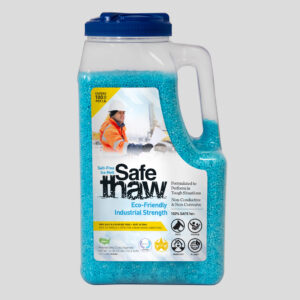
Safe Thaw
Safe Thaw was created as the ice management solution for tough winter environments. Ideal in commercial and industrial properties, shops, government agencies, bridges, construction. It’s 100% Salt-Free and Chloride-Free.
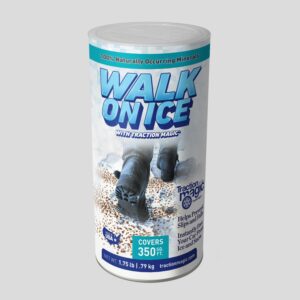
Walk On Ice
The slip and fall prevention solution, for any icy or snowy surface, on a handy portable package! Lightly spread around your walkway, driveway, vehicle, tires, and pathways. Turn ANY icy surface instantly, into a non-skid, slip-free surface.