
Table of Contents
The Dangers of Salt-Based Ice Melts
Traditional ice melts, commonly known as road salt, are often made with sodium chloride (rock salt), magnesium chloride, or calcium chloride. While effective at melting snow, these chemicals can be harmful to pets, causing various health and safety issues.
- Paw Irritation and Burns: One of the most common issues pets face during the winter is paw irritation caused by walking on surfaces treated with salt-based ice melts. The sharp salt granules can lodge between your pet’s paw pads, causing discomfort, cuts, and even chemical burns. Over time, this can lead to more severe problems like open sores and infections. For pets that already have sensitive paws, the salt can exacerbate the irritation, making it painful for them to walk.
- Ingestion Dangers: After walking on salted surfaces, pets often lick their paws to soothe the irritation, which leads to the ingestion of harmful chemicals. Even small amounts of salt can cause gastrointestinal upset, vomiting, and diarrhea. In larger quantities, it can lead to salt poisoning, a condition that can cause symptoms such as lethargy, confusion, seizures, and even death if not treated promptly.
- Toxic Fumes: Some salt-based ice melts also release fumes that can be irritating to pets, especially those with respiratory issues. Inhaling these fumes can lead to coughing, sneezing, and, in severe cases, difficulty breathing. This is especially concerning for homes with small pets or those with pre-existing respiratory conditions.
Get ready for winter with Safe Paw: The Pet-Friendly Ice Melter that cares – for your home, pets, and planet.
Why Pet-Safe Ice Melt is Crucial
Given the dangers posed by traditional ice melts, pet-safe alternatives offer a much-needed solution for pet owners. Pet-safe ice melts are specially formulated without the harmful chemicals found in traditional products, making them safer for pets, children, and the environment.
- Non-Toxic Ingredients: Pet-safe ice melts like Safe Paw are made without sodium chloride or calcium chloride. Instead, they use non-toxic ingredients that are effective at melting snow without posing risks to your pets. Even if your pet ingests small amounts, these products are designed to be harmless, providing peace of mind for pet owners.
- No Paw Burns or Irritation: Because they don’t contain sharp salt granules, pet-safe ice melts won’t cause irritation or burns to your pet’s paws. This allows your dog or cat to walk comfortably without the risk of injury, even after heavy snow or ice buildup.
- Environmentally Friendly: Pet-safe ice melts like Safe Paw are also better for the environment. Unlike traditional products, which can contaminate soil and waterways, Safe Paw is designed to minimize harm to plants and animals in the ecosystem, offering a responsible alternative for homeowners.
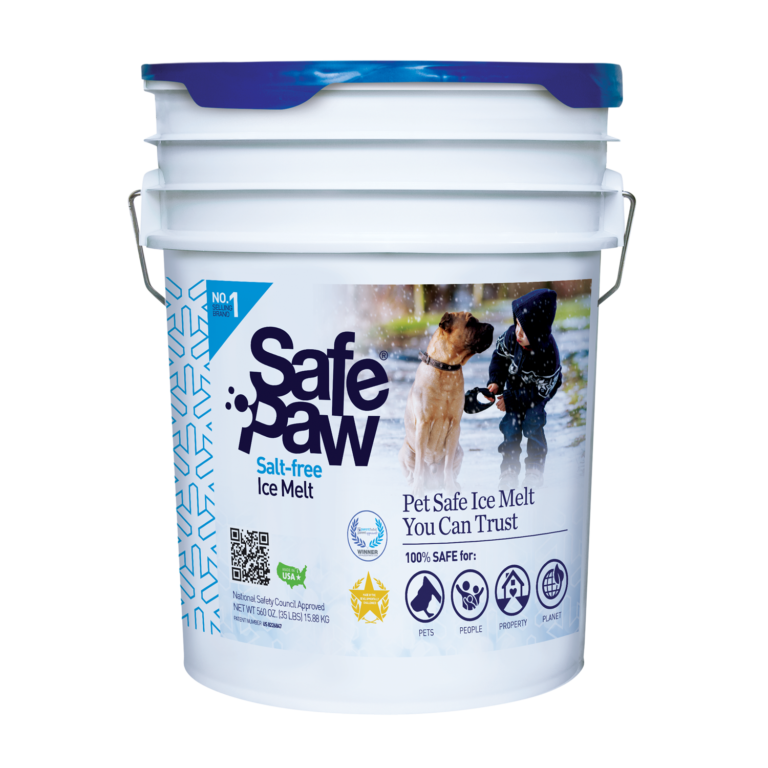
Safe Paw
It is a pet-friendly, eco-friendly ice melt that is safe for your family, pets, and property. It is made with a unique formula that is gentle on paws and concrete, and it melts ice and snow quickly and effectively.
Safe Paw is the perfect choice for winter weather!
Why Choose Safe Paw?
Get ready for winter with Safe Paw: The Pet-Friendly Ice Melter that cares – for your home, pets, and planet.
Get ready for winter with Safe Paw: The Pet-Friendly Ice Melter that cares – for your home, pets, and planet.
Calcium Chloride vs Sodium Chloride for Melting Ice — What It Means for Pets
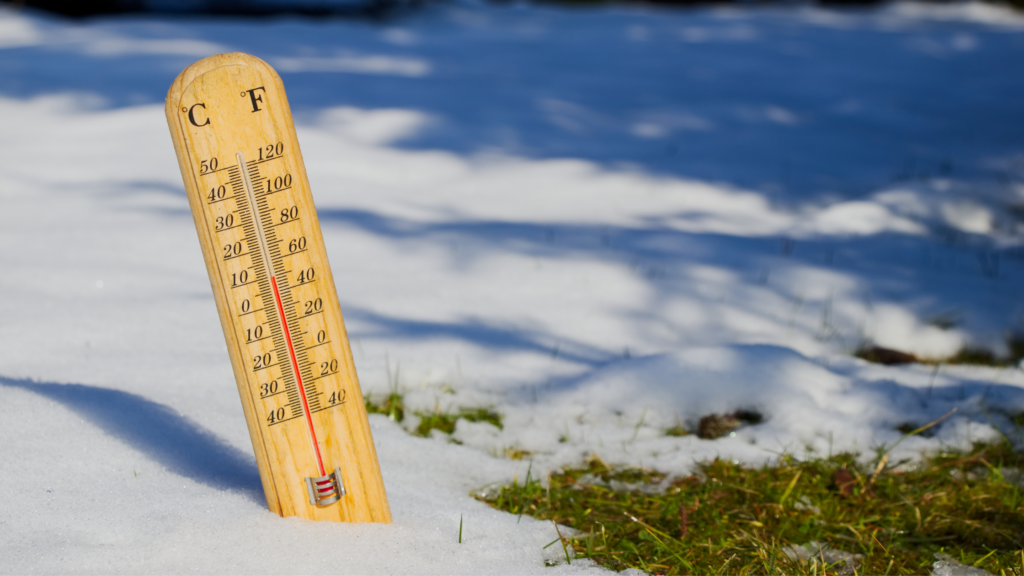
By now, you know the usual story: salts work because they lower the freezing point of water. But when comparing calcium chloride vs sodium chloride for melting ice, there are big differences worth noting — especially if you’re a pet owner. Sodium chloride, or rock salt, is the traditional choice. It’s cheap and easy to find, but it struggles once temperatures fall well below freezing. That’s when many people turn to calcium chloride, since it can melt ice at much lower temperatures and even generates heat as it dissolves.
So, is calcium chloride the better pick? From a pure performance standpoint, it seems like it. But for pets, both options raise red flags. Rock salt often leaves sharp crystals that lodge between paw pads, while calcium chloride can cause chemical burns or digestive upset if your dog or cat licks their feet. The “better” option depends on what you value: speed and efficiency or safety and peace of mind. For most pet owners, the answer leans toward finding a pet safe salt for ice that avoids both problems altogether.
Dog Friendly Ice Melt: What You Should Really Look For
Products labeled as dog friendly ice melt often sound comforting, but the label alone doesn’t always guarantee complete safety. Some blends still rely on reduced amounts of chlorides, which may lower the risk but don’t eliminate it. Truly dog-friendly products focus on ingredients that won’t burn paws, won’t trigger stomach upset, and won’t harm the environment when they wash away.
If you’ve ever noticed your pet stopping mid-walk to lick their paws, you know how important this choice is. Even a small amount of chloride-based residue can lead to vomiting, diarrhea, or dehydration. That’s why switching to something designed from the ground up to be non-toxic offers more than convenience — it’s genuine protection. A pet safe salt for ice should work in cold weather without leaving behind risks for curious paws and tongues.
Why Does Salt Make Ice Melt Faster — And Why That’s Not Always Better
It’s simple science: salt breaks down the bond between water molecules, lowering the freezing point so ice turns to liquid at higher-than-normal temperatures. That’s why sprinkling salt makes ice seem to vanish so quickly. But here’s the catch: the faster ice melts, the more liquid brine you get on the surface. That brine spreads, seeps into tiny cracks, and eventually refreezes once the temperature drops again. That cycle is exactly what damages driveways and sidewalks over time.
And for pets? More brine means more salty water sticking to fur and paw pads. That moisture lingers, making irritation more likely and increasing the chance of licking and ingestion. So while salt might appear to “work faster,” it often creates side effects that outweigh the benefit. Slower, controlled melting with a non-toxic formula is usually the safer trade-off.
Everyday Practices That Help Alongside Pet-Safe Ice Melt
Even when you’ve chosen a safer option, good habits keep your home and pets even better protected. Here are a few small but effective adjustments:
- Pre-treat walkways before the snow starts, reducing the amount of product you’ll need later.
- Clear snow first with a shovel or blower so ice melt only handles thin layers, not deep piles.
- Rinse or wipe paws after each walk — a simple damp cloth goes a long way.
- Store ice melt securely, keeping curious pets away from bags or containers.
When combined with a pet safe salt for ice, these practices help you stay ahead of icy conditions without increasing risks for your pets.
Conclusion
The debate between calcium chloride vs sodium chloride for melting ice shows one thing clearly: both can be effective, but neither is truly safe for pets. While traditional salts may answer the question of why does salt make ice melt faster, they also create new problems in the process. For households with dogs or cats, the safer path is choosing a dog friendly ice melt designed to protect paws, prevent accidental ingestion, and keep the environment intact.
Safe Paw offers exactly that balance: effective ice control without the dangers that come with harsh salts. This winter, keep your driveway clear, your pets comfortable, and your mind at ease by making the switch to a truly pet-safe ice melt.
Try Our Other Winter Safety Products
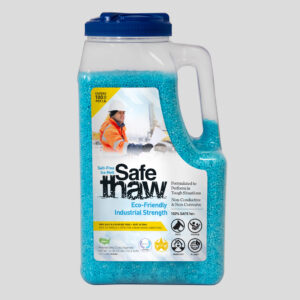
Safe Thaw
Safe Thaw was created as the ice management solution for tough winter environments. Ideal in commercial and industrial properties, shops, government agencies, bridges, construction. It’s 100% Salt-Free and Chloride-Free.
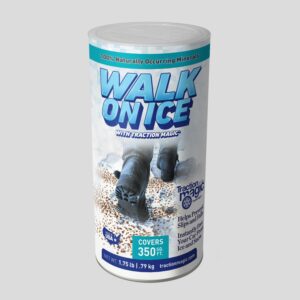
Walk On Ice
The slip and fall prevention solution, for any icy or snowy surface, on a handy portable package! Lightly spread around your walkway, driveway, vehicle, tires, and pathways. Turn ANY icy surface instantly, into a non-skid, slip-free surface.