
Winter in Canada is synonymous with icy driveways, walkways, and slippery surfaces. For homeowners, keeping these areas safe is a top priority. Traditional salt-based products have long been used, but they come with significant drawbacks, particularly for families with pets and an eco-conscious mindset. Safe Paw ice melter has revolutionized the de-icing game, providing a safer, non-toxic, and environmentally friendly solution. Here’s an in-depth look at why Safe Paw ice melt is the ultimate choice for Canadian winters.
Table of Contents
The Problem with Traditional Ice Melters
Salt-based ice melters, including rock salt (sodium chloride) and other chloride blends, are effective at melting ice but come with significant downsides:
- Pet Hazards: Traditional ice melts can irritate pets’ paws, causing dryness, cracking, and even chemical burns. If ingested, these chemicals can lead to severe gastrointestinal distress.
- Environmental Damage: Salt runoff contaminates soil and waterways, harming vegetation and aquatic life. It disrupts ecosystems and contributes to long-term environmental degradation.
- Property Damage: Salt corrodes concrete, metal, and wood, leading to costly repairs for driveways, sidewalks, and outdoor furniture.
- Limited Effectiveness in Extreme Cold: Many salt-based products lose their effectiveness at temperatures below -9°C (15°F), making them unreliable in Canada’s harsh winters.
Get ready for winter with Safe Paw: The Pet-Friendly Ice Melter that cares – for your home, pets, and planet.
Why Choose Safe Paw Ice Melter?
Safe Paw ice melter stands out as a 100% salt-free and chloride-free product, making it safer for pets, people, and the planet. Here’s why it’s a game-changer:
- Pet-Friendly Design:As pet owners know, winter can be tough on furry friends. Salt-based ice melters can cause paw irritation, and if ingested, they can lead to serious health issues. Safe Paw ice melter eliminates this risk with its non-toxic formula. It’s gentle on paws, ensuring that your pets can roam freely without discomfort or harm.
- Environmentally Safe: For eco-conscious Canadians, protecting the environment is a priority. Safe Paw ice melt is biodegradable and free from harmful chemicals, preventing soil and water contamination. Unlike traditional ice melts, it won’t harm plants or disrupt aquatic ecosystems, making it a responsible choice for homeowners who care about sustainability.
- Non-Corrosive and Property Friendly: Salt-based ice melters corrode concrete, asphalt, and metal, causing long-term damage to your property. Safe Paw ice melter is non-corrosive, protecting your driveways, sidewalks, and decking from wear and tear. By using Safe Paw, you’re not just clearing ice—you’re preserving your property for years to come.
- Effective in Extreme Cold: Canada’s winters often dip below freezing, making many traditional ice melts ineffective. Safe Paw ice melt is engineered to perform in temperatures as low as -2°F (-19°C), ensuring reliable ice removal even during the coldest conditions.
- Long Shelf Life and Excellent Spread Rate: With its concentrated formula, Safe Paw ice melt covers a large area with less product, making it a cost-effective solution. Its long shelf life ensures that it remains effective for multiple winters, saving both time and money.
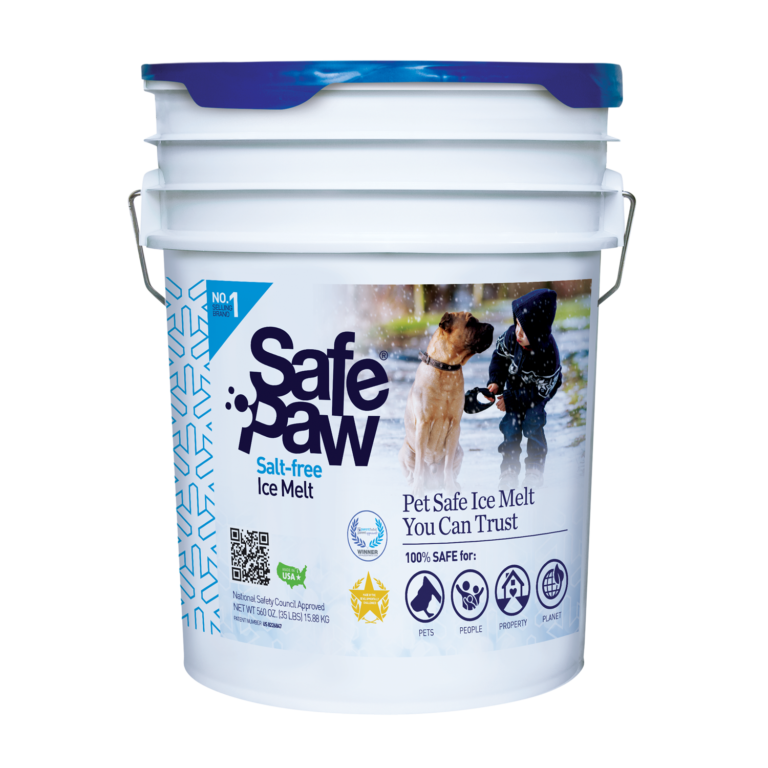
Safe Paw
It is a pet-friendly, eco-friendly ice melt that is safe for your family, pets, and property. It is made with a unique formula that is gentle on paws and concrete, and it melts ice and snow quickly and effectively.
Safe Paw is the perfect choice for winter weather!
How to Use Safe Paw Ice Melter
- Pre-Treat Surfaces: Apply Safe Paw before snow or ice forms to prevent bonding and make removal easier.
- Use as Needed: Spread evenly over icy areas to quickly melt existing ice.
- Reapply During Heavy Snow: For extended snowstorms, reapply Safe Paw as necessary for optimal results.
Get ready for winter with Safe Paw: The Pet-Friendly Ice Melter that cares – for your home, pets, and planet.
The Safe Paw Advantage for Canadian Homes
Get ready for winter with Safe Paw: The Pet-Friendly Ice Melter that cares – for your home, pets, and planet.
Calcium Chloride vs Magnesium Chloride: Which Is the “Better” Salt?
When people start comparing ice melt options, one of the most common debates is calcium chloride vs magnesium chloride. Both are widely available, both work at lower temperatures than rock salt, and both are marketed as being somewhat “gentler.” But are they really?
Calcium chloride is highly effective—it can melt ice even at temperatures as low as -25°C. That makes it popular in regions with brutal winters. Magnesium chloride works at higher temperatures (down to around -13°C), but it absorbs moisture from the air, forming brine quickly, which gives it a bit of an edge in fast action.
Here’s the catch: neither is truly safe. Calcium chloride is known to be more aggressive and can cause chemical burns if it comes in contact with skin or paws. Magnesium chloride, though considered less corrosive, can still irritate pets and contribute chloride pollution to soil and waterways. So the debate often becomes one of “which is less damaging” rather than “which is safe.”
Salt vs Calcium Chloride: Health Impacts on Humans
Another layer to this discussion is the question of salt vs calcium chloride health human concerns. While most people think of ice melt only in terms of driveways and sidewalks, the truth is we’re also exposed through residue tracked indoors, through skin contact, and even through the air when fine particles dry up.
- Sodium chloride (rock salt): Causes skin dryness and irritation. If accidentally ingested (children or pets licking surfaces), it can lead to nausea and dehydration.
- Calcium chloride: More chemically reactive, it can cause burns or stinging sensations on skin. If accidentally ingested, it may trigger gastrointestinal distress.
- Magnesium chloride: Can irritate skin and eyes but is often positioned as “safer.” Still, in large amounts, it can affect kidney function in humans and animals.
So when you think of it from a health standpoint, neither salt nor calcium chloride fully escapes the “risk” category. For households with kids or pets, this makes a safe salt alternative—like a chloride-free solution—the better choice.
How Hot to Melt Concrete: A Misunderstood Issue
A surprising question that sometimes comes up is how hot to melt concrete—and no, people aren’t trying to literally melt their driveways! What they’re really asking is how much heat or chemical action concrete can withstand before breaking down.
Concrete isn’t vulnerable to heat in everyday conditions—it takes extreme temperatures (over 1,000°C) to physically melt it. But de-icing salts like calcium chloride and sodium chloride don’t work by heating the concrete; they work by lowering the freezing point of water. That means water seeps into the concrete’s pores, freezes, expands, and creates pressure. Over time, this freeze-thaw cycle cracks and scales the surface.
So while your driveway isn’t “melting,” it is breaking apart piece by piece every time salt is applied. That’s why using a non-corrosive safe salt alternative like Safe Paw matters—it removes the ice without accelerating concrete’s deterioration.
Safe Salt: What Does That Really Mean?
With all the risks of sodium chloride, calcium chloride, and magnesium chloride, people often search for a safe salt option. But the phrase can be misleading. Most of the time, “safe salt” just refers to a product that’s slightly less harsh than standard rock salt—not one that’s truly non-toxic or non-corrosive.
A genuine safe salt would need to:
- Be non-toxic for pets and children.
- Avoid corroding metal, concrete, or decking.
- Be effective at very low temperatures.
- Not contribute to soil and water pollution.
This is exactly why Safe Paw is often described as the safe salt for ice melt—it skips chlorides entirely while still delivering performance in harsh Canadian winters. It doesn’t burn paws, it doesn’t poison soil, and it doesn’t corrode driveways. That’s a very different story from “less harmful” chloride blends.
Everyday Choices That Add Up
It’s easy to assume that using “just a little bit” of calcium chloride or magnesium chloride won’t matter. But think of how often you spread de-icer across a whole winter season. Those small amounts add up—on your driveway, in your garden soil, in your pet’s paws, and eventually in nearby streams and lakes.
By choosing a truly safe option from the start, you’re preventing that accumulation of harm. Over time, this not only saves you money on repairing concrete and replacing plants but also gives you peace of mind knowing your home environment is safer for your family and pets.
Conclusion
The debate between calcium chloride vs magnesium chloride, or even salt vs calcium chloride health human impacts, ultimately leads back to the same point: these products may be effective ice melters, but they all carry risks. Whether it’s irritation for pets, long-term damage to concrete, or environmental harm, the drawbacks are baked into the chemistry.
If you’re asking what’s truly a safe salt for winter, the answer isn’t found in another chloride—it’s found in stepping away from chlorides altogether. Safe Paw offers exactly that: a non-toxic, eco-conscious solution that protects pets, people, and property while still standing up to Canada’s toughest winters.
This season, don’t settle for “less harmful.” Make the shift to Safe Paw—the proven safe ice melt that gives you real peace of mind.
Try Our Other Winter Safety Products
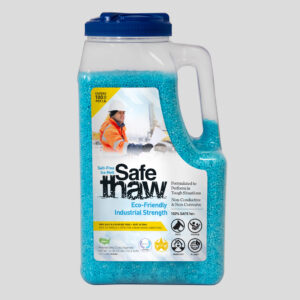
Safe Thaw
Safe Thaw was created as the ice management solution for tough winter environments. Ideal in commercial and industrial properties, shops, government agencies, bridges, construction. It’s 100% Salt-Free and Chloride-Free.

Walk On Ice
The slip and fall prevention solution, for any icy or snowy surface, on a handy portable package! Lightly spread around your walkway, driveway, vehicle, tires, and pathways. Turn ANY icy surface instantly, into a non-skid, slip-free surface.