When winter arrives, homeowners must choose the best solution for keeping driveways and walkways safe. The debate between salt vs ice melter often centers on cost, effectiveness, and safety. Understanding the differences between traditional ice melt vs salt can help you make an informed decision for your home this winter.
Table of Contents
Chemical Composition and Mechanisms of Action
Traditional ice melt vs salt, also known as rock salt (sodium chloride), works by lowering the freezing point of water, forming a brine that melts ice at moderate temperatures. However, its effectiveness diminishes significantly in extreme cold, becoming unreliable below -9°C (15°F).
In contrast, ice melters often contain advanced chemical compounds such as calcium chloride, magnesium chloride, or chloride-free formulations. These products melt ice more efficiently and work in much colder temperatures. For example:
- Calcium Chloride: Acts quickly and is effective at temperatures as low as -25°C (-13°F), making it suitable for harsh winters.
- Magnesium Chloride: Works down to -15°C (5°F) but can harm vegetation with excessive use.
- Chloride-Free Products: Options like Safe Paw break the bond between ice and surfaces without causing damage, making them safer for concrete, pets, and the environment.
Get ready for winter with Safe Paw: The Pet-Friendly Ice Melter that cares – for your home, pets, and planet.
Temperature Effectiveness Range
When comparing salt vs ice melter, temperature tolerance is a critical factor. De-icing salt loses its effectiveness in severe cold, which is common in Canadian winters, leaving icy hazards untreated.
On the other hand, advanced ice melters like Safe Paw maintain their effectiveness at extremely low temperatures, down to -19°C (-2°F). This makes them a more reliable choice for homeowners who face prolonged freezing conditions.
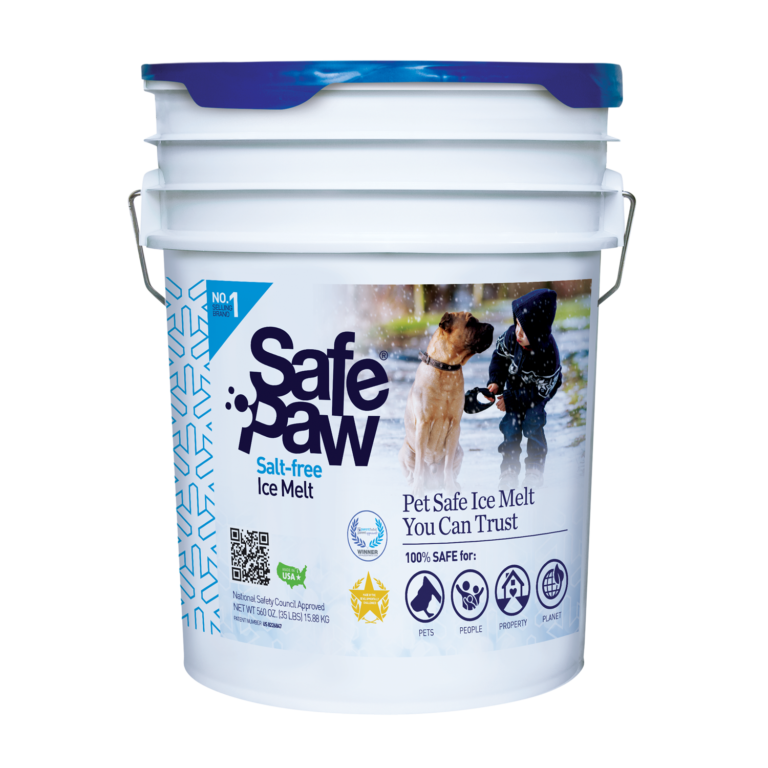
Safe Paw
It is a pet-friendly, eco-friendly ice melt that is safe for your family, pets, and property. It is made with a unique formula that is gentle on paws and concrete, and it melts ice and snow quickly and effectively.
Safe Paw is the perfect choice for winter weather!
Impact on Surfaces and Infrastructure
The corrosive nature of de-icing salt presents significant risks to driveways, walkways, and nearby structures:
- Concrete and Asphalt Damage: Salt exacerbates the freeze-thaw cycle by allowing water to seep into porous materials. As the water freezes and expands, it leads to cracks, scaling, and long-term damage to driveways.
- Metal Corrosion: Salt accelerates rust formation on vehicles, metal railings, and other nearby structures, resulting in costly repairs.
While some ice melters also carry risks, chloride-free options like Safe Paw are specifically engineered to be non-corrosive. They protect surfaces, preserving your driveway and other outdoor areas without causing damage.
Get ready for winter with Safe Paw: The Pet-Friendly Ice Melter that cares – for your home, pets, and planet.
Environmental and Health Considerations
The environmental impact of traditional de-icing salt is a growing concern. Runoff from salt-treated areas contaminates soil and waterways, harming aquatic ecosystems and vegetation. Salt disrupts soil composition, making it less fertile for nearby plants.
Additionally, salt vs ice melter comparisons reveal significant health risks associated with salt. De-icing salt can irritate skin and paws, and ingestion by pets or children may cause severe health issues. Non-toxic options like Safe Paw eliminate these risks, ensuring safety for pets, children, and the environment. Its biodegradable formula prevents harm to soil and water systems, making it a responsible choice for eco-conscious homeowners.
Calcium Chloride vs Sodium Chloride for Melting Ice: Which Holds Up Better?
If we zoom in on the chemistry, the big question becomes: calcium chloride vs sodium chloride for melting ice—which one is more effective? Both are widely used, but their performance differs.
- Sodium chloride (rock salt): Works fine until temperatures drop below -9°C (15°F). Beyond that point, it struggles, leaving icy patches untouched.
- Calcium chloride: Known for its aggressive melting power, it keeps working down to -25°C (-13°F). It generates heat as it dissolves, which speeds up melting even in severe cold.
But here’s the catch—calcium chloride’s heat can be a double-edged sword. It may chew through ice quickly, but it can also be tough on concrete, vegetation, and even human skin. Sodium chloride is less extreme, but its limited temperature range makes it unreliable during Canadian cold snaps.
This is where chloride-free alternatives prove their worth. They avoid the harsh side effects while still being effective across a wide temperature range.
Salt vs Calcium Chloride: Health and Human Concerns
The science of salt vs calcium chloride health human impact is often overlooked. Most people think of property damage, but what about direct exposure?
- Sodium chloride: Can cause dryness and skin irritation when touched repeatedly. Ingestion, even in moderate amounts, can upset the stomach and cause dehydration.
- Calcium chloride: More reactive and more irritating. It can cause burns if it stays in contact with the skin and is harmful if swallowed. Ground crews and homeowners handling it often wear gloves and masks.
Neither of these can truly be considered “safe” when humans or pets are part of the picture. That’s why homeowners with children or animals often move toward salt-free solutions that prioritize safety without compromising melting power.
Is Rock Salt Safe for Pets? The Straight Answer
Many homeowners ask: is rock salt safe for pets? The short answer is no. Rock salt granules can get lodged between paw pads, causing irritation, dryness, and even chemical burns. Pets licking their paws after walking on salted surfaces may ingest sodium chloride, which can lead to vomiting, diarrhea, and in severe cases, salt poisoning.
Calcium chloride isn’t any kinder—it can cause even more intense paw irritation. That’s why pet-friendly ice melt options have become so important. They’re designed with non-toxic, chloride-free formulas that won’t harm paws, even with regular exposure. If pets are part of your household, switching to such alternatives isn’t just convenient—it’s essential.
Get ready for winter with Safe Paw: The Pet-Friendly Ice Melter that cares – for your home, pets, and planet.
At What Temperature Does Ice Melt? How Do You Know?
A lot of homeowners wonder: at what temperature does ice melt how do you know and when a de-icer will still work? The standard melting point of ice is 0°C (32°F), but once salts or chemicals are added, the game changes.
- Sodium chloride: Lowers the freezing point slightly, keeping water liquid until around -9°C (15°F). That’s why it stops being reliable once the mercury dips lower.
- Calcium chloride: Pushes that threshold down much further, making it work in extreme cold but at the expense of being harsher.
- Chloride-free products: Formulated to work in temperatures as low as -19°C (-2°F), striking a balance between reliability and safety.
You’ll usually “know” a product’s limits by checking the lowest effective temperature listed on its packaging. But in practice, the results are obvious—if you see patches of ice lingering, the product has likely hit its limit.
Why Thinking Beyond Salt Matters
It’s easy to fall back on what’s familiar, like rock salt or calcium chloride, because they’re everywhere and cheap upfront. But as we’ve seen, their risks add up quickly—whether it’s corrosion on driveways, paw burns on pets, or contamination of soil and waterways.
Salt-free alternatives may feel like a shift, but they’re designed to meet the needs modern households face: safety for pets and kids, protection for property, and effectiveness in the coldest Canadian winters. The fact that they check all those boxes makes them a smarter long-term investment.
Conclusion
Looking back at the debate of salt vs ice melter, and digging deeper into the details—calcium chloride vs sodium chloride for melting ice, salt vs calcium chloride health human concerns, and whether rock salt is safe for pets—the pattern is clear. Traditional salts may do the job, but they carry risks for surfaces, health, and the environment.
So, what’s the best move for homeowners? Stick with chloride-free, non-toxic, and pet-friendly solutions like Safe Paw that perform in cold weather without the downsides. These alternatives not only protect your driveway but also safeguard the health of your pets and family.
Winter ice control doesn’t have to be a compromise. By choosing safe, sustainable options, you’re ensuring both effective melting and peace of mind.
Try Our Other Winter Safety Products
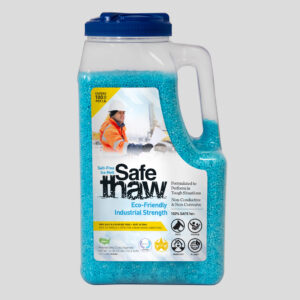
Safe Thaw
Safe Thaw was created as the ice management solution for tough winter environments. Ideal in commercial and industrial properties, shops, government agencies, bridges, construction. It’s 100% Salt-Free and Chloride-Free.
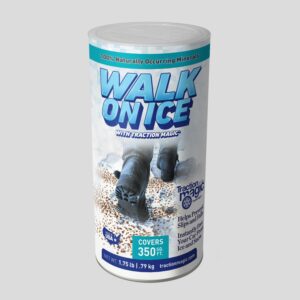
Walk On Ice
The slip and fall prevention solution, for any icy or snowy surface, on a handy portable package! Lightly spread around your walkway, driveway, vehicle, tires, and pathways. Turn ANY icy surface instantly, into a non-skid, slip-free surface.