
Winter weather can wreak havoc on driveways, sidewalks, and patios, especially if the wrong de-icing products are used. Choosing the best ice melt for concrete is essential to protect your property from damage while ensuring safety during icy conditions. This guide will explore how de-icing agents affect salt for concrete, evaluate the best products for concrete safety, and recommend environmentally friendly alternatives.
Table of Contents
Understanding the Impact of De-Icing Chemicals on Concrete Surfaces
Concrete may appear strong and durable, but its porous nature makes it susceptible to damage when exposed to harsh de-icing chemicals. The freeze-thaw cycle plays a significant role in this deterioration. When water seeps into the pores of concrete, it freezes and expands, causing cracks and scaling.
Certain de-icing salt for concrete, like sodium chloride (rock salt) and calcium chloride, exacerbate this problem by drawing moisture into the concrete and intensifying freeze-thaw damage. Over time, this leads to crumbling surfaces, weakened structural integrity, and expensive repair bills.
Get ready for winter with Safe Paw: The Pet-Friendly Ice Melter that cares – for your home, pets, and planet.
Evaluating the Safety and Efficacy of Different Ice Melt Products for Concrete
When it comes to selecting the best ice melt for concrete, not all products are created equal. Here’s a comparison of popular options:
- Sodium Chloride (Rock Salt): Affordable and widely used, rock salt is effective at melting ice but is highly corrosive to concrete. It also loses effectiveness below -9°C (15°F).
- Calcium Chloride: This de-icer works at lower temperatures (-25°C/-13°F) but is extremely corrosive to concrete and poses risks to metal reinforcements and surrounding vegetation.
- Magnesium Chloride: Less damaging than calcium chloride but still capable of harming concrete over prolonged use. It also poses risks to pets and plants.
Safe Paw: A 100% salt-free and chloride-free ice melt, Safe Paw is specifically designed to be non-corrosive and safe for concrete. It works in temperatures as low as -19°C (-2°F) and provides effective de-icing without damaging surfaces.
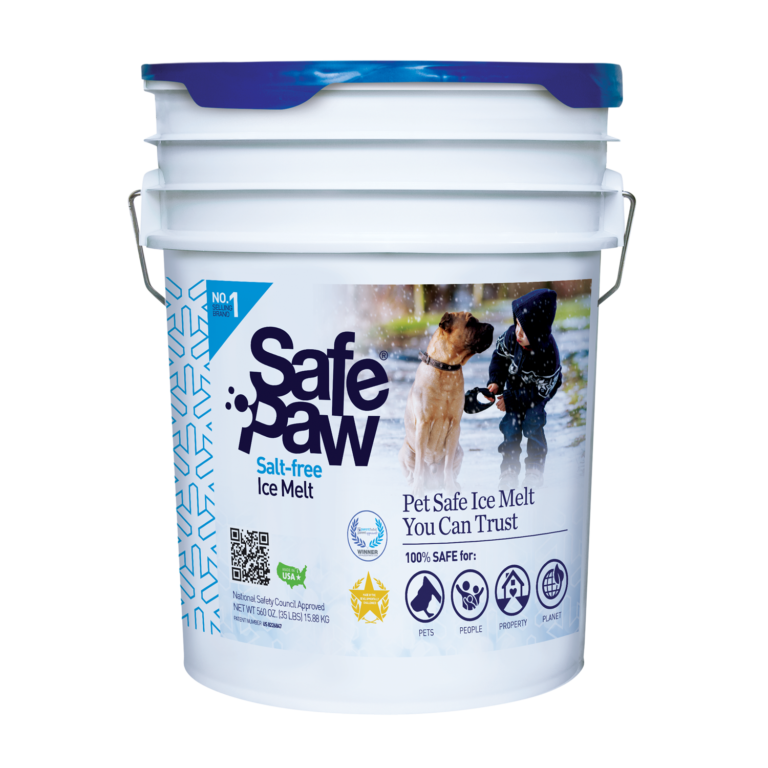
Safe Paw
It is a pet-friendly, eco-friendly ice melt that is safe for your family, pets, and property. It is made with a unique formula that is gentle on paws and concrete, and it melts ice and snow quickly and effectively.
Safe Paw is the perfect choice for winter weather!
Best Practices for Applying Ice Melt to Preserve Concrete Integrity
To minimize damage, follow these tips when applying ice melt to concrete surfaces:
- Pre-Treat Surfaces: Apply ice melt before snowfall to prevent ice from bonding with the concrete.
- Use the Right Amount: Overapplication can lead to chemical buildup, increasing the risk of damage. Follow the manufacturer’s guidelines for optimal coverage.
- Shovel Snow First: Remove as much snow as possible before applying ice melt. This reduces the amount of product needed and enhances its effectiveness.
- Clean Residues: After the ice melts, sweep away any remaining product to prevent prolonged exposure.
Get ready for winter with Safe Paw: The Pet-Friendly Ice Melter that cares – for your home, pets, and planet.
Exploring Environmentally Friendly and Concrete-Safe Ice Melt Alternatives
Eco-conscious homeowners are turning to innovative products like Safe Paw to balance effective ice management with environmental responsibility. Unlike traditional salts, Safe Paw is non-toxic, biodegradable, and safe for pets, plants, and water systems. Its unique formula provides a long-lasting solution that doesn’t compromise concrete integrity.
Get ready for winter with Safe Paw: The Pet-Friendly Ice Melter that cares – for your home, pets, and planet.
Mag Chloride vs Salt: Which One Is Really Gentler on Concrete?
A question that comes up often is mag chloride vs salt—is magnesium chloride really a safer option than sodium chloride (rock salt) when it comes to protecting concrete? On the surface, magnesium chloride does seem less aggressive. It tends to cause slower damage compared to rock salt, which can visibly corrode surfaces within a season or two.
But here’s what most people don’t realize: magnesium chloride still draws in moisture and increases the number of freeze-thaw cycles your driveway experiences. Over time, that process weakens concrete in much the same way as salt does, just at a slightly slower pace. Think of it as two cars driving in the same direction—one may take longer to get there, but both eventually arrive at the same destination.
So while magnesium chloride may appear to be a step up from regular salt, it isn’t a long-term solution for homeowners who want to avoid costly repairs to driveways and sidewalks.
Calcium Chloride vs Sodium Chloride for Melting Ice: The Performance vs Damage Dilemma
When comparing calcium chloride vs sodium chloride for melting ice, many homeowners are drawn to calcium chloride because of its effectiveness at much lower temperatures. It can keep working in frigid conditions where rock salt simply fails. That sounds like the perfect fix—until you see the other side of the story.
Calcium chloride is exothermic, meaning it releases heat when it dissolves. This makes it act quickly on ice, but it also means more stress on the concrete itself. That burst of heat accelerates the freeze-thaw damage cycle and can lead to scaling, cracking, and surface pitting. Meanwhile, sodium chloride may be less effective in bitter cold, but it’s highly corrosive to both concrete and nearby vegetation.
So in this debate, homeowners are often forced into a false choice: do you want a product that’s fast but harsh, or one that’s weaker but still damaging? Neither really delivers on what people are actually looking for—an ice melt that clears pathways without cutting years off the life of their driveway.
Dog Safe Ice Salt: Does It Actually Exist?
For pet owners, another big concern is finding dog safe ice salt. The phrase itself can be misleading, because no chloride-based salt is truly safe for dogs. Sodium chloride can burn paw pads and cause poisoning if ingested. Calcium chloride can do the same, often with more severe irritation. Even magnesium chloride, marketed as gentler, can still irritate sensitive paws and cause stomach upset when licked.
Some products are marketed as “pet safe” because they contain lower concentrations of salt or have added coatings to reduce irritation, but they don’t remove the underlying problem. A genuinely safe solution needs to be completely salt-free. That’s why chloride-free ice melts like Safe Paw exist—to give pet owners peace of mind that their dog won’t suffer from cracked paws or digestive issues just from walking outside.
So the next time you see “dog safe ice salt” on a label, it’s worth asking: is this truly salt-free, or just less harmful than the alternatives?
Ice Melt vs Salt: Why the Difference Matters for Your Driveway
At first glance, ice melt vs salt might sound like two words for the same thing. But there’s a difference worth noting. Salt (like sodium chloride or calcium chloride) works by lowering the freezing point of water, but it also corrodes surfaces, harms soil, and puts pets at risk. Ice melt, on the other hand, is a broader category that can include chloride-free options designed to avoid those side effects.
That’s why the wording matters. If you grab a bag labeled “salt,” you’re almost guaranteed to face property damage and environmental concerns. If you grab a bag labeled “ice melt,” you at least have the chance of choosing a safer alternative—provided you read the label carefully and look for terms like “chloride-free” or “pet-safe.”
Shifting the Conversation
When homeowners ask about mag chloride vs salt, or weigh calcium chloride vs sodium chloride for melting ice, or even search for dog safe ice salt, what they’re really doing is trying to balance safety, effectiveness, and cost. The ice melt vs salt debate shows just how much confusion is out there—and how many people are still stuck in a trade-off between fast results and long-term damage.
But the truth is, there doesn’t need to be a trade-off. Chloride-free solutions like Safe Paw show that you can have effective melting power without sacrificing concrete, without harming your pets, and without polluting your soil and water. Instead of trying to choose “the lesser evil,” the smarter move is to step out of the cycle completely.
Conclusion
Concrete-safe ice melt isn’t just about keeping pathways clear—it’s about protecting your investment, your pets, and your peace of mind. The debates around mag chloride vs salt and calcium chloride vs sodium chloride for melting ice reveal how limited traditional products really are. Even the idea of dog safe ice salt is misleading when salts of any kind still pose risks. And when you look at ice melt vs salt, the distinction is clear: true ice melts go beyond salt, offering safety without compromise.
That’s why Safe Paw stands out. It’s chloride-free, pet-safe, eco-friendly, and non-corrosive—all while performing in the extreme temperatures Canadian winters demand. This season, don’t settle for products that damage today while pretending to save tomorrow. Choose the solution that’s genuinely built to protect everything you care about.
Try Our Other Winter Safety Products
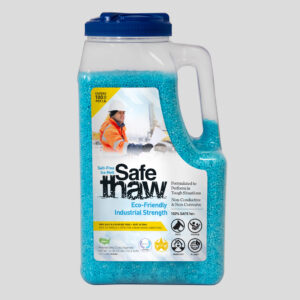
Safe Thaw
Safe Thaw was created as the ice management solution for tough winter environments. Ideal in commercial and industrial properties, shops, government agencies, bridges, construction. It’s 100% Salt-Free and Chloride-Free.
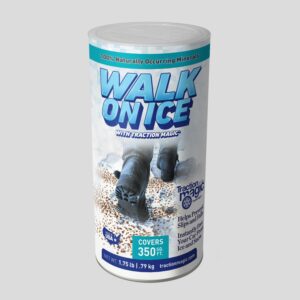
Walk On Ice
The slip and fall prevention solution, for any icy or snowy surface, on a handy portable package! Lightly spread around your walkway, driveway, vehicle, tires, and pathways. Turn ANY icy surface instantly, into a non-skid, slip-free surface.