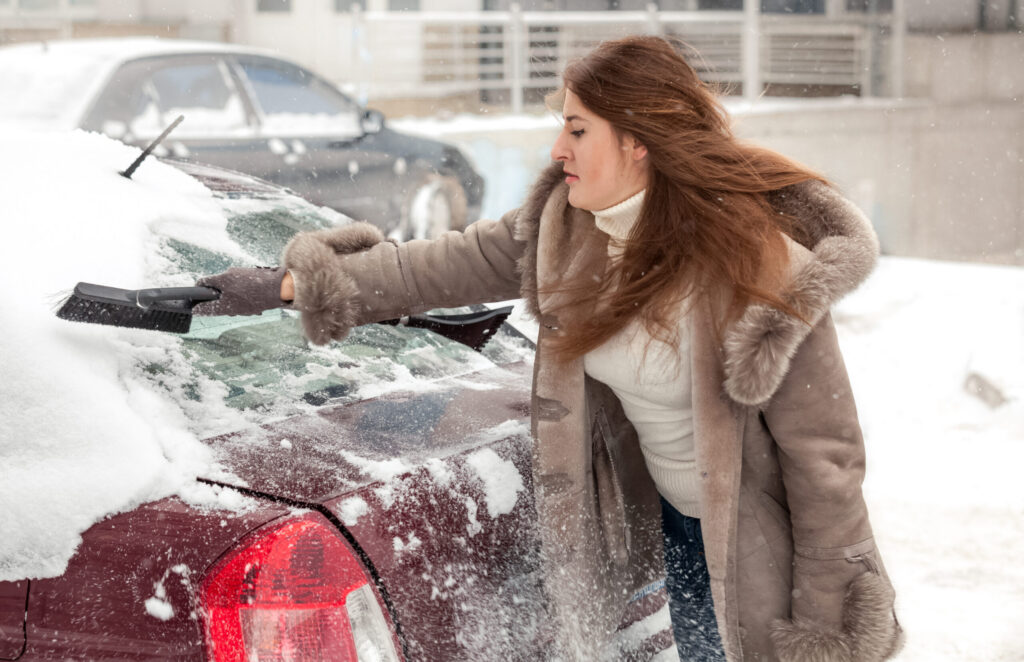
Winter driving can be daunting, especially with frosted windshields and icy car surfaces. A de icer for car is a must-have tool to ensure safety and convenience during the cold season. But not all de-icing products are created equal. While some car de icer are effective, they may come with significant downsides, such as damaging your car’s finish or harming the environment. Let’s explore the best options available, common mistakes to avoid, and why Safe Paw stands out as a superior choice.
Top-Rated Car De-Icing Products for Winter 2024
Lorem ipsum dolor sit amet, consectetur adipiscing elit. Ut elit tellus, luctus nec ullamcorper mattis, pulvinar dapibus leo.
Add Your Heading Text Here
Several car de icer products are available on the market, but not all are as safe or effective as they claim:
While many products melt ice quickly and help prevent re-freezing, they contain harsh chlorides that can harm your car’s paint over time. Additionally, their chloride-heavy formula raises concerns about runoff polluting nearby water sources.
Safe Paw offers a pet-safe, chloride-free alternative. Unlike other de-icers, it’s non-toxic, gentle on your car’s surfaces, and environmentally friendly, ensuring your car stays protected without compromising safety or the planet.
When choosing a de-icer, consider the long-term effects on your vehicle and the environment. Safe Paw stands out as the most responsible choice for conscientious homeowners.
DIY De-Icing Solutions: Safe Homemade Alternatives
If you prefer a homemade approach, DIY solutions are easy to prepare and safer than some commercial products. Here are two recipes:
- Rubbing Alcohol Mix: Combine two parts rubbing alcohol with one part water and a few drops of dish soap. While effective, rubbing alcohol can dry out windshield wipers and seals over time if overused.
- Vinegar Solution: Mix three parts white vinegar with one part water and apply to icy surfaces. Be cautious, as vinegar’s acidity may damage car paint if applied repeatedly.
DIY solutions are a quick fix but may have limitations compared to specialized products like Safe Paw.
Preventative Measures to Reduce Windshield Icing
Preventing ice buildup is the best way to minimize de-icing efforts. Here are a few strategies:
- Windshield Covers: These are a convenient way to avoid ice buildup but can be cumbersome to remove during heavy snow.
- Anti-Frost Coatings: While they can help, some contain chloride that may degrade over time and harm the environment.
- Garage Parking: Whenever possible, park in a garage to keep your car shielded from snow and ice.
Common De-Icing Mistakes to Avoid
Many de-icing methods can do more harm than good:
- Using Hot Water: Pouring hot water on a frozen windshield can cause the glass to crack.
- Metal Scrapers: These can scratch your windshield and damage the paint. Plastic scrapers are safer but still require care.
- Overuse of Harsh Chlorides: Products heavy in salt or chlorides can corrode your car’s metal surfaces and harm the environment.
Conclusion
Choosing the right de icer for car is essential to maintaining safety and convenience during winter. While many products promise effective results, it’s essential to weigh their environmental impact, safety for car surfaces, and ease of use. Traditional de-icers may get the job done but often come with hidden downsides, such as potential damage to paint and glass. Options like Safe Paw stand out as reliable, eco-friendly, and pet-safe alternatives that not only melt ice effectively but also prioritize long-term vehicle care and environmental sustainability. By making an informed choice and combining it with preventative measures, you can confidently face the challenges of Canadian winters while keeping your car in top condition.