
Table of Contents
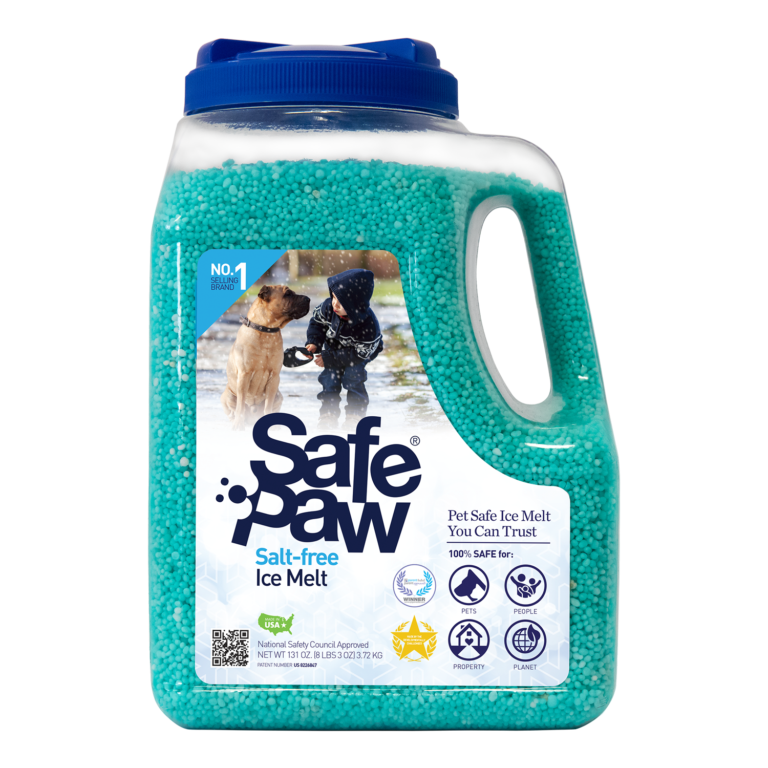
Safe Paw
It is a pet-friendly, eco-friendly ice melt that is safe for your family, pets, and property. It is made with a unique formula that is gentle on paws and concrete, and it melts ice and snow quickly and effectively.
Safe Paw is the perfect choice for winter weather!
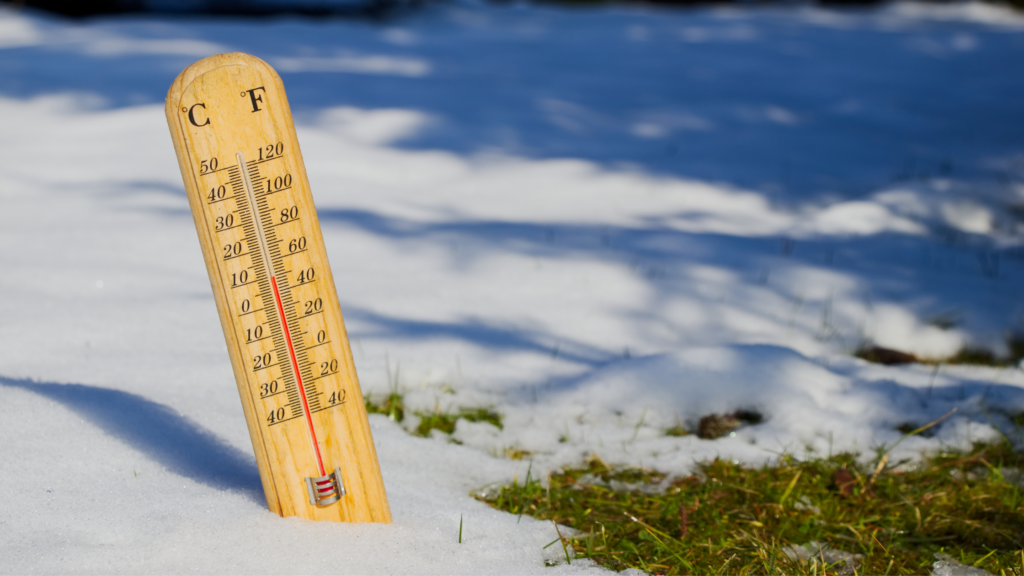
Decoding the Melt: What Temperature Does Snow Melt?
Driveway Drama: When Will the Snow Melt?
If you’ve ever looked at your snow-clad driveway and wondered, “When will the snow melt?” you’re not alone. This is about more than just waiting for a warmer day. Parts of your driveway get more sun, turning them into mini beach resorts for snowflakes, while shaded areas are like snow’s favorite chill zones, refusing to melt. This can turn your driveway into a patchwork of slush and ice, a.k.a. the winter obstacle course.
Get ready for winter with Safe Paw: The Pet-Friendly Ice Melter that cares – for your home, pets, and planet.
Sunny Spots and Shady Tales
On a day when the sun’s out in full glory, you’ll see that snow melting away in the sunnier spots of your driveway. It’s like watching a slow race – sunny areas are winning the melting marathon, while shaded spots are lagging, stubbornly holding onto their snowy blanket.
The Salty Situation: A Not-So-Sweet Solution
For ages, we’ve turned to salt and chloride-based ice melts in a desperate attempt to make our driveways walkable again. Sure, they attack the ice like hungry penguins on a fish, but the aftermath isn’t always pretty. These products can be tough on our pets, our plants, and even our beloved driveways. It’s like using a bulldozer when you need a shovel – effective, but maybe too harsh.
Get ready for winter with Safe Paw: The Pet-Friendly Ice Melter that cares – for your home, pets, and planet.
Safe Paw: The Gentle Giant of Ice Melts
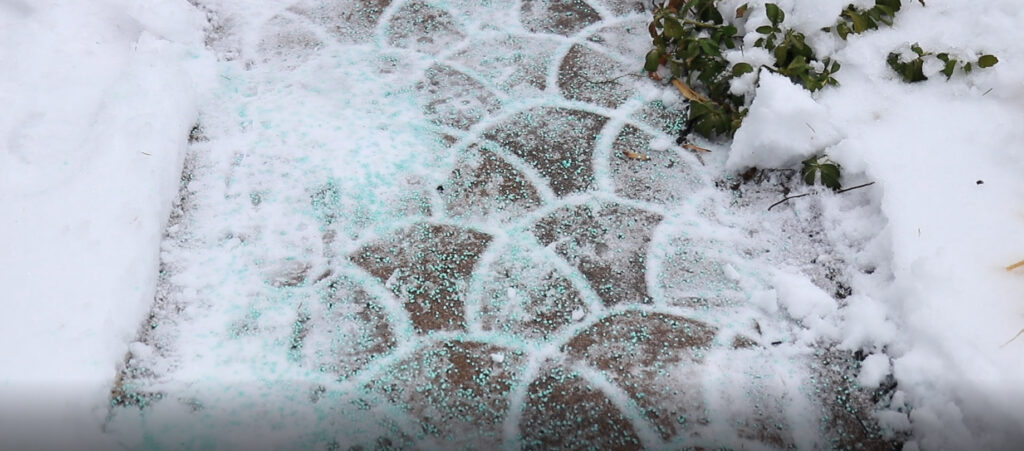
Enter Safe Paw, the superhero in this winter tale. It doesn’t just ask “What temperature does snow melt” – it defies it. Safe Paw works its magic in temperatures as low as -2°F. It’s like having a secret weapon against ice that’s kind to paws, plants, and your concrete.
Why Safe Paw is the Driveway’s Best Friend
- Pet-Safe: It’s like a warm hug for your pet’s paws.
- Plant-Friendly: Your garden will thank you.
- Concrete-Caring: It treats your driveway like a piece of art.
- Cold Weather Warrior: It laughs in the face of freezing temperatures.
- Staying Ahead of the Freeze
Being smart about your driveway this winter means keeping an eye on the forecast and understanding “what temperature does snow melt”. By prepping with Safe Paw, you can turn your driveway into a no-slip zone, ready for whatever winter whims come your way.
Get ready for winter with Safe Paw: The Pet-Friendly Ice Melter that cares – for your home, pets, and planet.
Wrapping Up: Embracing Winter with Smarts and Smiles
As we don our winter gear and face the frosty days ahead, let’s remember that understanding “what temperature does snow melt” and “when will the snow melt” is key to conquering winter. With a sprinkle of Safe Paw and a dash of planning, we can transform our driveways from ice rinks into safe pathways. So, here’s to enjoying the snow, laughing at the cold, and making winter a little warmer with our choices. Stay frosty (and safe) out there!
Calcium Chloride vs Magnesium Chloride: Understanding the Trade-Offs
After looking at how snow reacts to different conditions, it’s worth taking a closer look at the ice melts we spread on sidewalks and driveways. When comparing calcium chloride vs magnesium chloride, you’ll notice both can melt ice at lower temperatures than plain rock salt. Calcium chloride releases heat as it dissolves, making it a powerful option during extreme cold. Magnesium chloride salt, on the other hand, absorbs moisture from the air to form a brine that helps break ice down.
But the strength of these chemicals also highlights their weaknesses. Calcium chloride’s heat can accelerate the freeze-thaw stress on concrete and irritate pets’ paws. Magnesium chloride may seem milder, but it still leaves behind chlorides that accumulate in soil and runoff into waterways. Both options work, but both come with consequences that homeowners often notice only after a long winter season.
Sidewalk Salt: Everyday Use with Hidden Costs
For most people, sidewalk salt is still the go-to. It’s inexpensive, easy to spread, and instantly recognizable. Yet one question continues to come up: is rock salt safe for dogs? The answer, unfortunately, is no. Rock salt dries and cracks paw pads, causes irritation, and if ingested, can lead to serious health issues. Beyond pets, sidewalk salt leaves white streaks on concrete, corrodes metal, and creates bare patches in gardens where runoff collects.
It’s a familiar routine—scattering a layer of salt and watching the ice melt—but it’s worth asking whether this short-term fix is worth the long-term damage to pets, plants, and property.
Why “Salt That Melts Ice” Isn’t Always the Best Answer
At first glance, using salt that melts ice seems like the logical way to fight winter hazards. But salt-based products only solve one part of the problem: surface slipperiness. They don’t prevent future damage, and they don’t account for safety beyond human footing. Homeowners who rely only on chloride-based options often face higher repair costs in spring when concrete spalls, or when pets need treatment for paw injuries.
Looking at it this way, salt is more of a temporary bandage than a real solution. For families who want peace of mind throughout winter, a product that works without adding new risks becomes the smarter choice.
Try Our Other Winter Safety Products
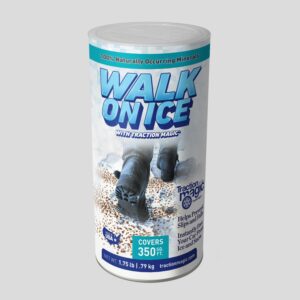
Walk On Ice
The slip and fall prevention solution, for any icy or snowy surface, on a handy portable package! Lightly spread around your walkway, driveway, vehicle, tires, and pathways. Turn ANY icy surface instantly, into a non-skid, slip-free surface.
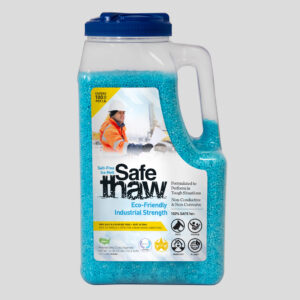
Safe Thaw
Safe Thaw was created as the ice management solution for tough winter environments. Ideal in commercial and industrial properties, shops, government agencies, bridges, construction.
Safe Paw: Pet-Friendly Salt for Snow Without the Risks
That’s why many homeowners turn to Safe Paw, a true pet friendly salt for snow alternative that doesn’t actually rely on chlorides at all. Unlike calcium chloride or magnesium chloride, Safe Paw’s formula doesn’t irritate paws, won’t corrode driveways, and is safe if accidentally ingested in small amounts. It works effectively in extreme Canadian cold—down to -19°C (-2°F)—without the harsh side effects of traditional salts.
By using Safe Paw, you’re not just choosing an ice melt—you’re choosing a way to protect pets, property, and the environment all at once. It’s a winter tool that solves the ice problem without creating new ones.
Conclusion
Snow will always be part of Canadian winters, but how we deal with it doesn’t have to follow the same old patterns. Comparing calcium chloride vs magnesium chloride shows us that while both melt ice quickly, they also leave behind risks for pets, plants, and property. Relying on sidewalk salt brings its own challenges, from paw injuries to concrete damage. A safer and more sustainable choice comes with products like Safe Paw, which balance effectiveness with long-term protection.
This winter, the smarter approach isn’t just asking what temperature does snow melt or which salt works fastest, but rather choosing an option that keeps everyone—people, pets, and property—safe well beyond the snow season.
Related Posts

Top 5 Ice Melts For Concrete: Ensuring Safety And Durability
Hey everyone, let’s huddle up for a winter talk on “best ice melt for concrete”. We’re all facing the same chilly challenge – those icy driveways and sidewalks. And for us with concrete surfaces, it’s not just about slipping; it’s about not wrecking the concrete we spent good money on. So, let’s wade through the sea of “best ice melt for concrete” options and figure out the best picks for our concrete paths.

5 Innovative Roof Ice Melter Solutions For A Worry-Free Winter
Winter brings its whimsical snowfall, but with it comes the less enchanting task of dealing with roof ice. In the quest for the perfect roof ice melter, we often encounter several options, each with its own set of drawbacks, except for our eco-friendly champion, Safe Paw. Let’s shuffle through the snowdrift of choices and understand why some might not be as ideal as they seem.
Protecting Your Concrete from Winter: The Ultimate Ice Melter Guide
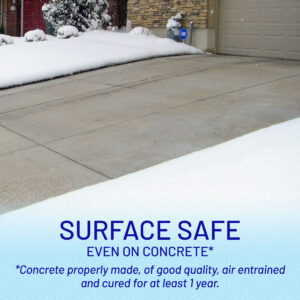
Welcome to the winter wonderland, where the snow is plentiful, and the ice on your driveway is as welcome as a mosquito at a barbecue. If you’re wrestling with the question, “What’s the best ice melt for concrete?” you’re in good company. It’s a seasonal puzzle that plagues many of us who just want to walk to our mailboxes without turning into human hockey pucks.

Which Ice Melt Is The Green Solution? Unpacking Its Eco-Friendliness
As winter approaches, the question of how to effectively manage ice and snow becomes crucial. The use of ice melt products is widespread, but not all are created equal in terms of environmental impact. In this detailed exploration, we seek to determine the best ice melter, specifically focusing on those that qualify as the best ice melt in terms of eco-friendliness.