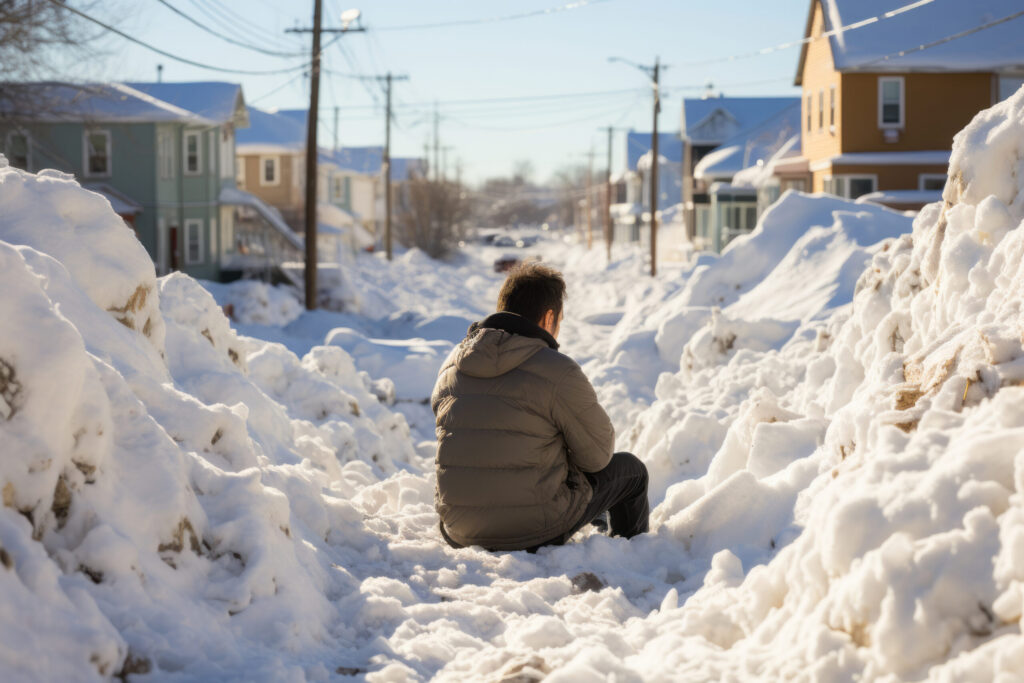
As the first snowflakes of winter began to fall, Sarah, a diligent homeowner in Toronto, made her annual trip to the local hardware store. She loaded her cart with several salt bags, preparing to combat the icy sidewalks and driveways that were sure to come. Like many, she believed that stocking up on salt bags was the most effective way to ensure winter safety. However, over time, Sarah began to notice the hidden costs associated with this common practice.
The Unseen Damage to Property
After several winters of using traditional salt bags, Sarah observed that her once-pristine concrete driveway had developed cracks and pitting. She learned that the chemicals in de-icing salts can penetrate concrete surfaces, leading to freeze-thaw cycles that cause deterioration. This damage wasn't just cosmetic; it compromised the structural integrity of her driveway, leading to costly repairs.
Environmental Consequences
Sarah also noticed that the plants lining her driveway were struggling. The vibrant shrubs and grass seemed less healthy each year. Upon researching, she discovered that runoff from salted areas can lead to soil degradation and water contamination, adversely affecting plant life and local ecosystems. The salt from her salt bags was contributing to this environmental harm.
Health Risks to Pets and Family
With a young child and a beloved dog, Sarah became concerned about the health implications of using traditional salt bags. She found that salt can irritate the paws of pets, leading to discomfort and potential injury. If ingested, it poses health risks to animals and humans, including gastrointestinal issues. The safety of her family was paramount, and this was a risk she wasn't willing to take.
The Financial Toll
Initially, salt bags seemed like a cost-effective solution. However, when Sarah tallied up the expenses—property repairs, replacing damaged plants, and potential veterinary bills—she realized that the hidden costs far outweighed the initial savings. The true price of using traditional salt was much higher than she had anticipated.
Seeking a Better Alternative
Determined to find a safer and more sustainable solution, Sarah began exploring alternatives to traditional salt bags. She discovered Safe Paw, a 100% salt-free and chloride-free ice melt. Intrigued by its claims, she decided to give it a try.
The Benefits of Safe Paw
- Non-Corrosive: Unlike traditional salts, Safe Paw is non-corrosive, ensuring that her driveway and walkways remained intact and free from damage.
- Environmentally Friendly: Being salt-free, it didn't harm her plants or contribute to soil and water contamination.
- Pet and Child Safe: Sarah was relieved to know that Safe Paw was safe for her dog and child, eliminating the health risks associated with traditional salts.
- Effective at Low Temperatures: Even during the harshest Canadian winters, Safe Paw proved effective, keeping her walkways clear without the negative side effects of traditional salt bags.
A New Approach to Winter Safety
By switching to Safe Paw, Sarah not only protected her property and loved ones but also contributed to a healthier environment. She realized that while traditional salt bags might offer a quick fix, the hidden costs—both financial and environmental—were too significant to ignore. Embracing a salt-free alternative provided her with peace of mind and a safer, more sustainable approach to winter safety.
For those looking to make a similar change, consider exploring salt-free options like Safe Paw. It's a small step that can lead to significant benefits for your home, family, and the environment.